
Conserving Our Oceans for Future Generations
Our oceans are facing unprecedented challenges, from climate change and pollution to overfishing and habitat loss. Yet around the world, communities, conservationists, scientists, and local leaders are proving that meaningful change is possible. This World Oceans Month, we highlight inspiring stories of collaboration and innovation that offer hope for the future of our blue planet.
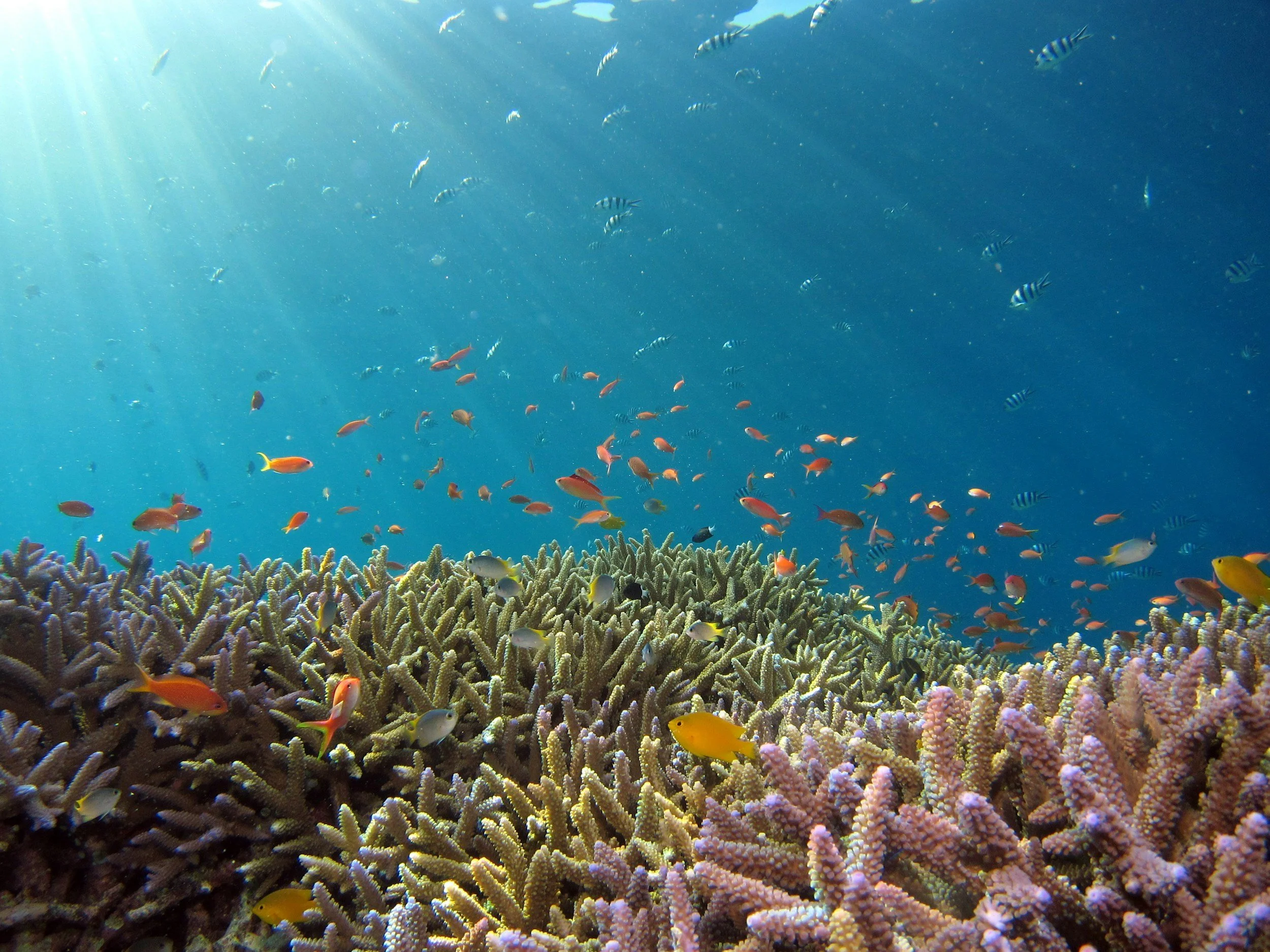
Oceans worldwide are suffering. They're being pushed to the brink by forces like climate change, overfishing and pollution. Coral reefs are dying and the oceans' very ability to support marine life is at risk.
But lest we forget, healthy oceans are essential to life on Earth. As the website Conservation International points out, not only do the oceans generate the oxygen we breathe, but they also "nourish billions of people, cool down the atmosphere and add trillions of dollars" to the economy worldwide.
These are just some of the reasons why activists, marine biologists, non-profit organizations and world leaders (along with many others) have been raising the alarm about the dire state of oceans in 2026.
June also happens to be World Ocean Month and June 8 was World Oceans Day. Both of these events have turned the spotlight on the fragile state of the oceans globally. This year, as part of World Oceans Day the United Nations is calling on all of us to 'reimagine our relationship' with the ocean, explaining that we have reached a critical threshold with this precious resource and cannot keep harming and depleting it. It's time for all of us to act as active guardians of the oceans to ensure a better future.
The good news is, there are efforts and initiatives unfolding worldwide to do just that. Many of those efforts are happening under the radar, at the community and local government level, where disparate groups have joined forces to bring about change and forge a new path forward for the ocean. And in more than a few cases, those efforts have already made important, if not downright remarkable, progress.
Here's a closer look at some of the reasons for hope as we observe World Oceans 2026.
Los Cabos, Mexico
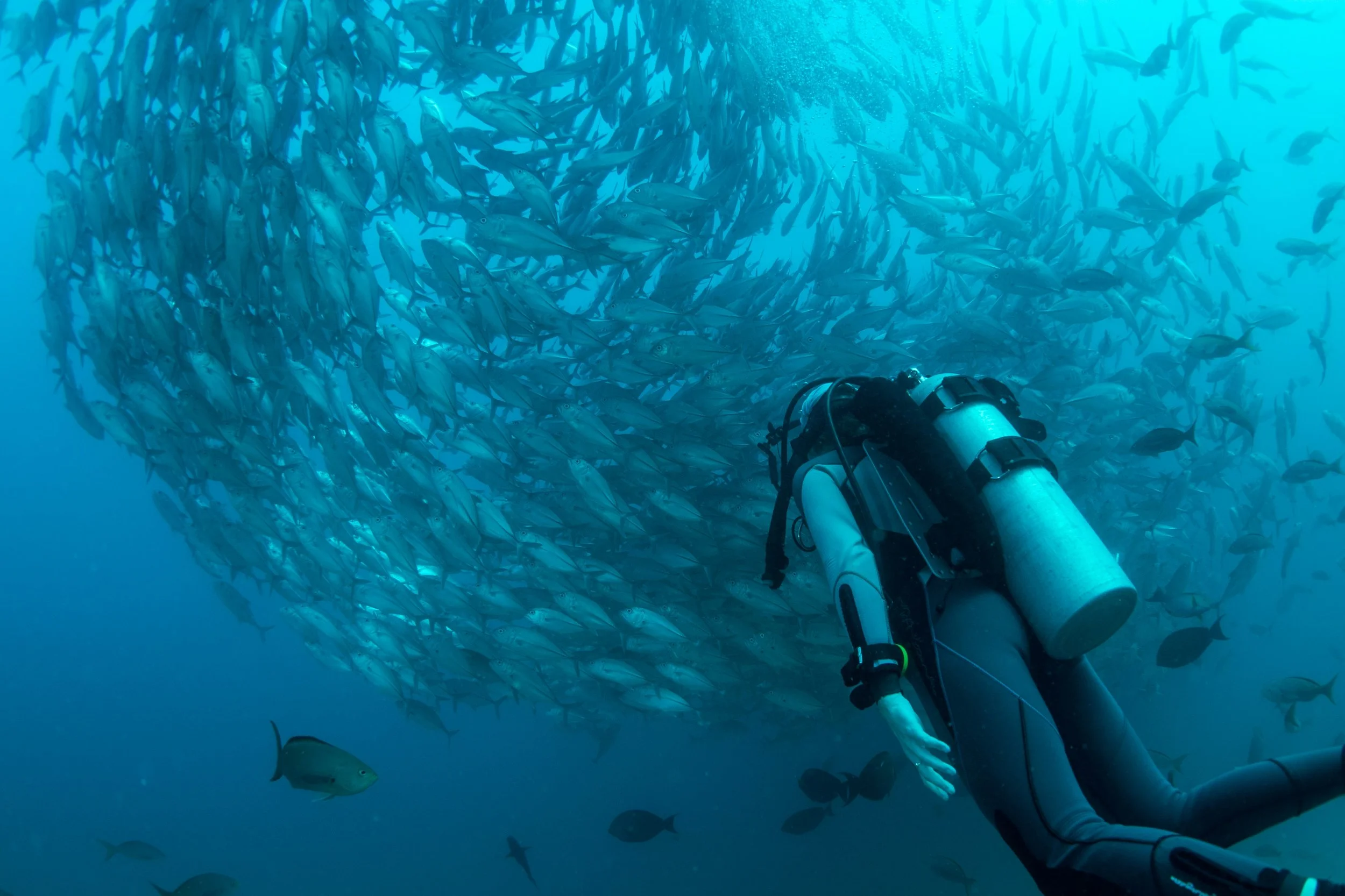
Located at the southernmost tip of the Baja Peninsula, the popular tourist destination of Los Cabos is home to one of the world's greatest marine conservation success stories: Cabo Pulmo National Park. Often referred to as the "Aquarium of the World" and recognized as a World Heritage Site by UNESCO, Cabo Pulmo National Park is a marine sanctuary that represents one of the most impressive achievements in ocean conservation globally.
Here visitors will find thriving coral reefs and abundant sea life. In fact, the park is home to one of the most expansive coral reefs in North America, hosting over 800 species of marine life. The park is also inhabited by five of the most endangered species of sea turtles in the world and a large collection of sharks, among them bull sharks, tiger sharks, hammerhead sharks, blacktip and white tip sharks.
But as Pedro Enriquez, a maritime lawyer, diver, and local marine tourism operator for Baja Expeditions, explains, it was no small effort getting to this point, turning the park into a major success story.
"What makes Cabo Pulmo unique is that conservation didn't begin with a government mandate," begins Enriquez. "It started with local fishing families who watched the reef decline and decided something needed to change. Rather than continue extracting from the ecosystem, they chose to protect it and help build a new economy centered around conservation and sustainable tourism."
That meant changing long held traditions, not to mention taking serious economic risks, and trusting that long-term conservation would create a better future for everyone involved.
But guess what? All of those risks paid off. In fact, the results are beyond extraordinary. Studies documented a 463% increase in fish biomass within the first decade of protection, while top predator populations increased eleven-fold.
But as a marine tour operator and diver, Enriquez didn't need studies to confirm what he could see and feel himself when spending time in the park: Denser schools of fish, larger groupers and snappers and the return of sharks and rays. "The reef feels alive," he says. This level of success required the cooperation and coordination of numerous stakeholders and parties including members of the community, scientists, conservation organizations, tourism operators, and government agencies.
Reflecting on how far they've come, Enriquez says the effort was successful because it began with the people themselves.
"I firmly believe local communities are best positioned to protect an ecosystem because they're the ones who live in it, understand it, and depend on it," he explains. "Any serious conservation effort has to put communities at the center of the conversation."
The rules in Cabo Pulmo weren't developed in isolation. They were created in cooperation with the people who would ultimately be responsible for living with them and protecting them.
There's one more important point Enriquez adds, as well. The success story in Cabo Plumo isn't just ecological. It's social and economic, too. The park's vibrant turnaround, he says, demonstrates that a healthy ecosystem can support a thriving local community.
"Tourism tied to the park now supports local businesses, guides, restaurants, accommodations, and families who have become active stewards of the resource," he concludes. "What we can say with confidence is that the protected-area model works when communities, government agencies, scientists, and tourism operators work together."
Maine, United States
Like other ocean regions around the world, the Gulf of Maine, a semi-enclosed region bounded to the north and west by the coasts of Maine, New Hampshire, and Massachusetts, and to the east and south by the Scotian Shelf and Georges Bank, is facing enormous challenges at the moment.
It's warming faster than most of the world’s oceans, and local experts are seeing clear signs of stress in the species and habitats that communities rely upon. The good news is that the gulf is also remarkably resilient. And when stress on this important place, which is filled with all manner of animals including whales, dolphins, fish, sharks, seals, and birds, is reduced and habitats are restored, the ecosystem responds.
That's where Maine Coast Heritage Trust (MCHT) comes in. Established in 1970, the organization was created to protect the islands, marshes, and coastline that make Maine special, helping to ensure ecological wellbeing. The organization's efforts include a variety of ongoing projects that directly impact and support ocean health, such as salt marsh protection and river restoration.
While the connection may not be immediately obvious to some, Maine’s coastal marshes are among the most important and overlooked systems supporting ocean health. And they're a major focus of current conservation and climate‑resilience work.
"Salt marshes play an outsized role in ocean health. They buffer storm surge, filter pollutants before they reach marine waters, store significant amounts of carbon, and provide nursery habitat for fish and shellfish that support both ecosystems and coastal economies," says MCHT's Marsh Restoration Program Manager Tatia Bauer. "Put simply, when salt marshes are healthy and able to adapt to changing conditions, the ocean is cleaner, fisheries are stronger, and coastal communities are more resilient. "
The Wabanaki people stewarded these marshes for centuries, caring for sweetgrass beds and other culturally important species and materials. More contemporary protection began decades ago, led by conservation groups, state and federal agencies, scientists, and coastal communities that recognized how essential these habitats are to the health of the Gulf of Maine," adds Bauer. That work has accelerated in recent years as sea‑level rise and climate impacts have become more visible, and salt marshes are now seen as a critical component of resilient coastlines.
"Across the coast, partners are now identifying places where marshes can migrate inland as water levels rise and are working with landowners to ensure those pathways remain natural and unimpeded," says Bauer. In addition to protecting salt marshes and their migration corridors, coastal practitioners are actively restoring salt marshes that have been negatively impacted by humans in the past.
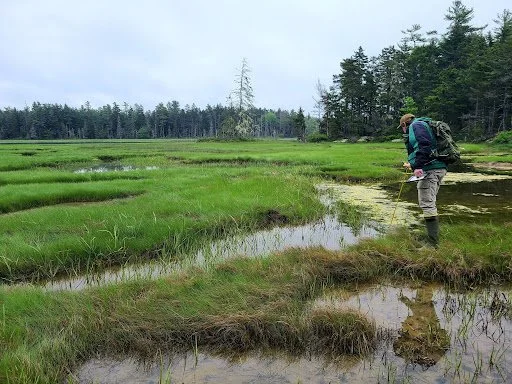
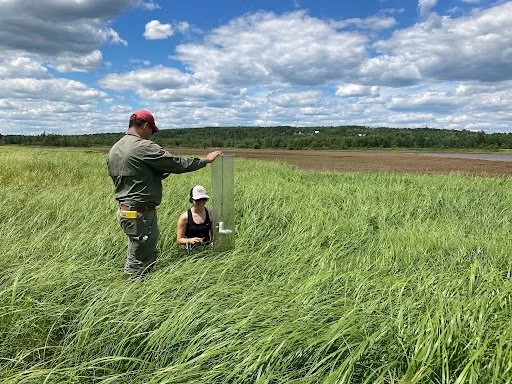
Photos Courtesy of Maine Coast Heritage Trust
“This work prioritizes ecosystem health, function, and resilience to sea‑level rise — ensuring that marshes continue to support our estuaries and oceans by improving water quality, buffering storms, and creating habitat for migratory birds and marine species,” says Bauer. “As more projects move forward, the benefits ripple directly into the Gulf of Maine and its communities.”
Similarly, river restoration efforts now taking place all along Maine's coast are playing a direct and vital role in supporting ocean health. This work has involved reopening coastal rivers to restore fish passage, supporting species like river herring, Atlantic salmon, and eels, all of which are foundational to the Gulf of Maine ecosystem and the ocean's productivity.
“Ocean productivity refers to the abundance and strength of the marine food web — and Maine’s migratory fish play a central role in that system,” says Jacob van de Sande, associate director of land protection for MCHT. “The Gulf of Maine cod fishery collapsed more than 30 years ago, and recent research indicates that reestablishing river access for alewife could help rebuild cod and other groundfish populations across the Northwest Atlantic, from northern Canada to the Gulf of Maine.”
As restoration work continues and more habitat reopens, adult river herring are returning to spawn, and juveniles are heading back to the ocean in ever-greater numbers — potentially in the billions, providing essential forage for many marine species and giving a major boost to ocean health. "These anadromous fish also transport nutrients from the ocean back into rivers and interior forests, similar to the nutrient cycling seen with Pacific salmon," adds van de Sande.
“For millions of years, these exchanges created extraordinary productivity across both freshwater and marine ecosystems,” says van de Sande. “Those connections were largely broken during the industrial era, but as we restore river access, we are seeing that productivity return.”
The restoration work now taking place is ecological, but it is also human, adds van de sande. “Our connection to rivers, the ocean, and the fish that sustained coastal communities has frayed in the modern world, and reopening these waterways is helping to reconnect people to the water, the wildlife, and the seasonal rhythms that have long fed both our bodies and our sense of place,” he says.
Chumbe Island, Zanzibar
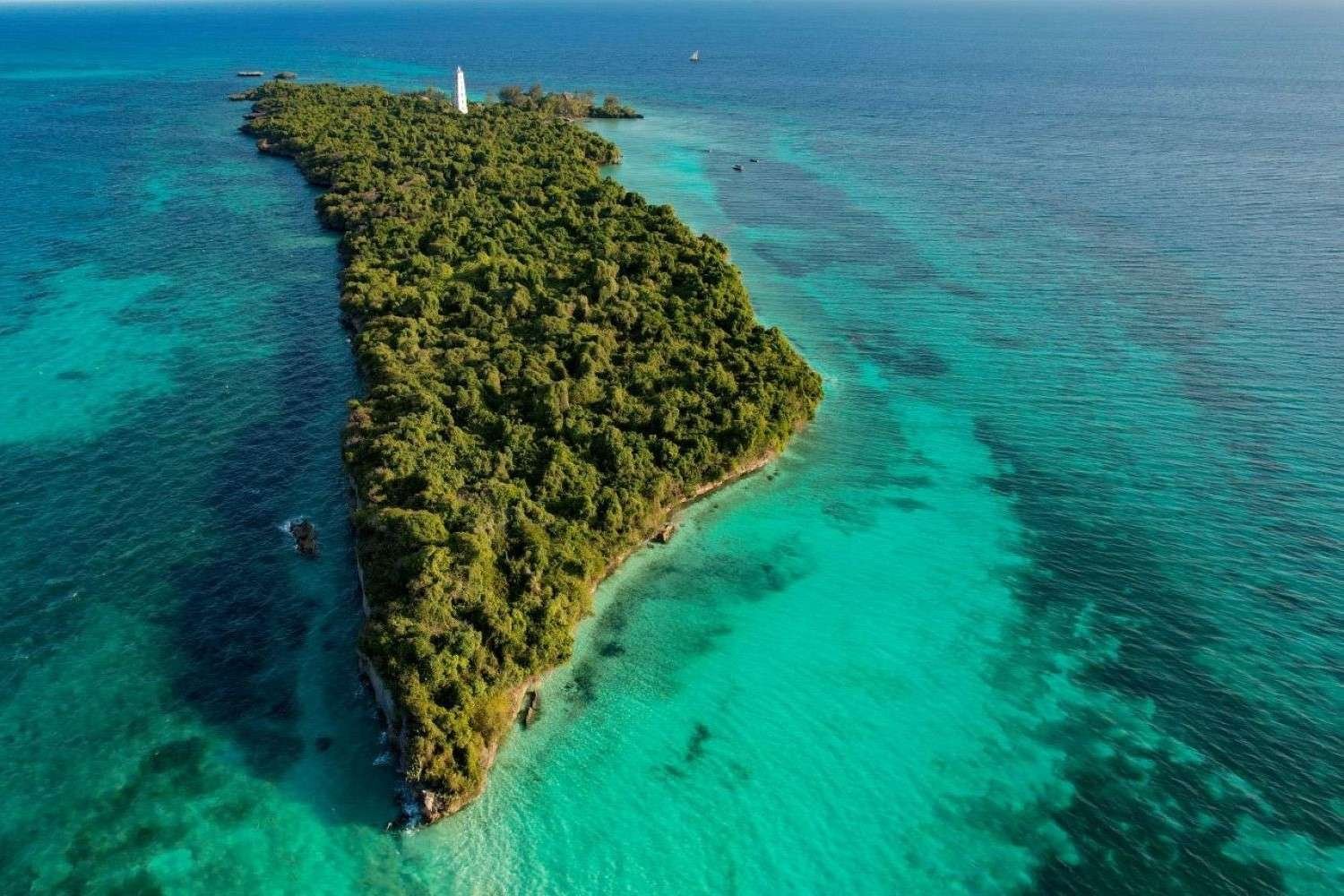
Photo by: Kozanow Producations
Some 3,000 miles away from Maine, off the coast of East Africa, a small island in the Tanzanian archipelago is home to another one of the world's great ocean conservation success stories.
Chumbe Island Coral Reef Sanctuary is a designated Marine Protected Area (MPA) that for decades has been a "no take zone," meaning it's an area where no extractive activity is allowed. Instead, the region is being managed with the express purpose of promoting biodiversity, while also serving as a model for what effective ecotourism and MPA management can look like.
The result is a thriving biodiversity hotspot, one that includes rare species and abundant coral growth.
"As someone who has traveled to 50 countries in the last three years chasing positive progress, I have not seen coral cover quite like this anywhere. Everywhere you look is healthy coral," begins Andi Cross, co-founder of Edges of Earth, a global exploration, consulting, and storytelling collective focused on real-world climate solutions.
"Chumbe Island has done an amazing job protecting its surroundings. And the Marine Protected Area that it's put in place has been heavily enforced and managed. So much so that the Marine Conservation Institute, which is a massive non-profit organization that designates the most successful MPAs in the world, has looked to this area as one of its beacons of hope, because it's so special."
The biomass in Chumbe Island Coral Reef Sanctuary is increasing so much that fish from the MPA are now expanding beyond sanctuary borders and as a result, the region's commercial and recreational fisherman are benefitting from the abundance of marine life.
"That's quite exciting," adds Cross. "It makes the marine protected area actually malleable. It's pretty amazing when that can happen."
There's another important facet to what's taking place at Chumbe Island, as well. Tourists are able to visit the island and stay onsite at a sustainable lodge. And all the money tourists spend goes directly to supporting the MPA and ensuring continued protection of the region.
“Chumbe Island is an example of what happens when ecotourism directly funds preservation and all parties involved can see the benefits, which is pretty special,” says Cross.
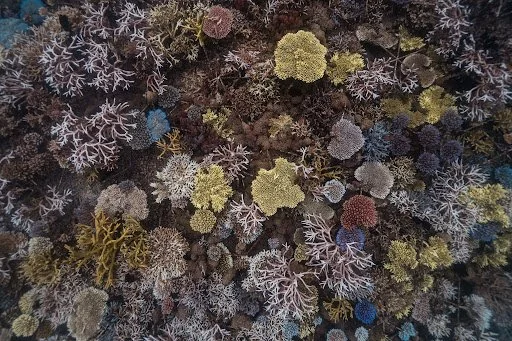
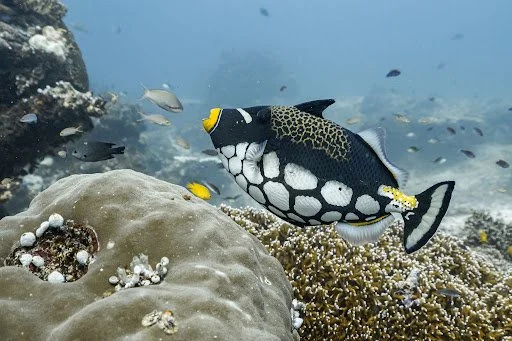
Photos by Adam Moore
It's hard to overstate that last point made by Cross —all of the parties involved are seeing benefits.
Chumbe Island's success is the result of what Cross calls a "true full circle effort." Meaning community members, scientists, and non-profit organizations all came together here to establish the sanctuary as a no take zone. The effort offers direct parallels to the way stakeholders from all levels of the community came together in Los Cabos, Mexico to establish Cabo Pulmo National Park, ensuring the success of that conservation effort.
And the effort has been nothing short of remarkable.
"The coral reef here is now one of the most pristine in all of East Africa, with 90 percent of the coral species found in the region represented here," says Cross. "That's about two hundred different types of coral and it's basically providing habitat for about 500 different species of reefs ."
"When you're seeing all of that life in this tiny space, and all of these players committed to the cause, it's pretty spectacular," Cross concludes. "And because there is such a deep level of commitment and because the results are so proven, there's been so much buy-in from the local level."
For those of us in the United States who are bearing witness to the scorched Earth policy of the Trump Administration, including the callous rolling back of marine life protections, Chumbe Island offers another important lesson. It's a vivid example of what so often gets pushed aside in this country: That doing good for the planet does not mean businesses—in this case fishermen and local communities—lose out.
Chumbe Island establishes just the opposite. It offers a crystal clear illustration of the reality that when you take care of the planet and when biodiversity thrives, then humans thrive too.
ABOUT THE AUTHOR
Mia Taylor is an award-winning freelance travel writer and editor who has worked on staff for Parents, Real Simple, and Better Homes & Gardens. She also worked on a features writing team for BBC Travel and currently serves as a Senior Editor for the travel trade publication TravelPulse. Over the course of her career, Mia has received nine travel writing awards from the North American Travel Journalists Association. She was also a member of a team of KPBS/NPR reporters who received the Walter Cronkite Award for Excellence in Journalism. Her work has also appeared in Travel Age West, Westways, Travel + Leisure, and other publications.
Follow my travels onInstagram