
National Parks as the Stress Test for Responsible Tourism
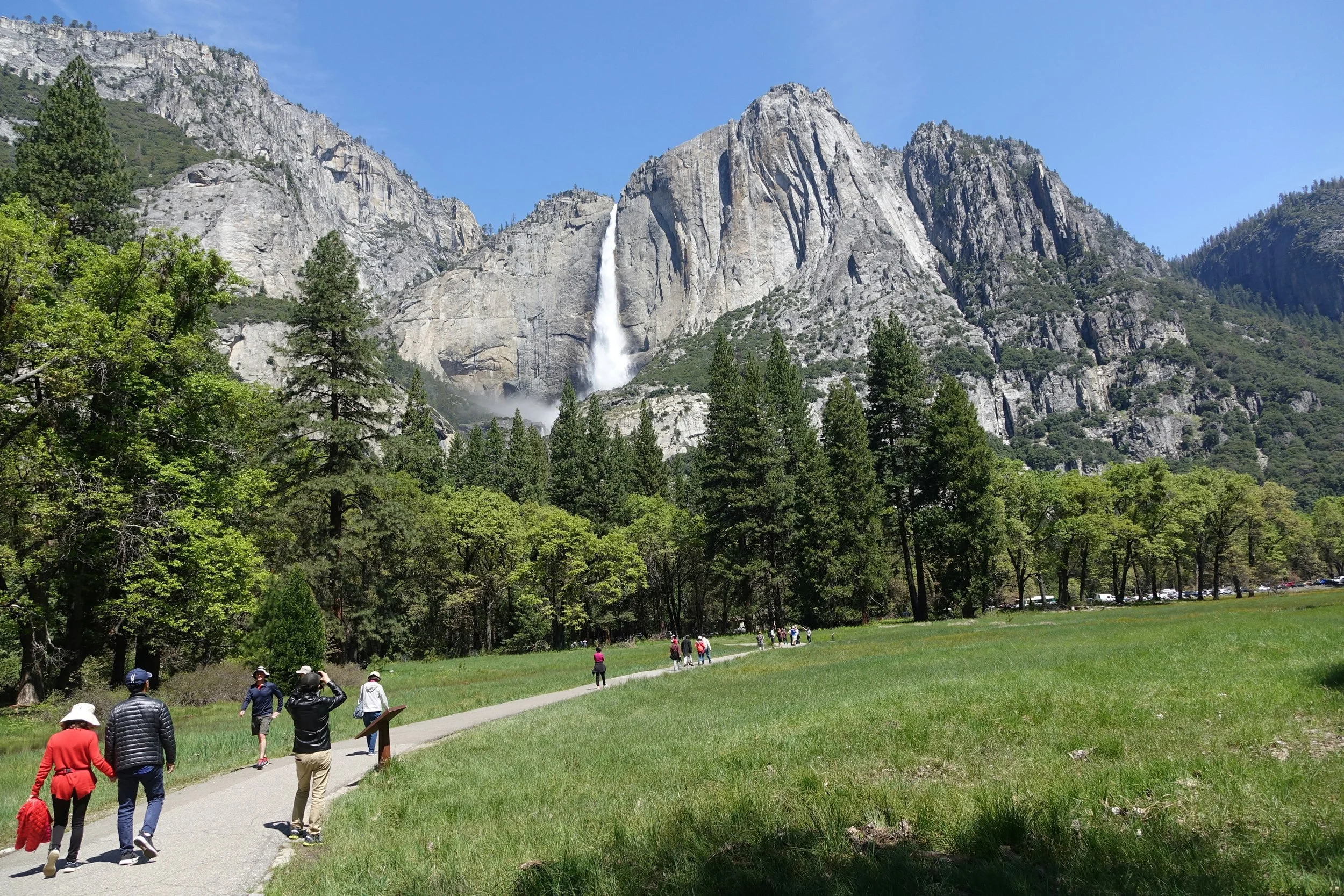
As an educator, a sustainable tourism advocate, and a TV adventure travel show host, there are certain things I seek out wherever I travel, at home and abroad. I study them, I share them, and honestly, I go looking for them the way some people hunt for great restaurants. I mean the stories of genuine conservation in action: the remarkable sustainable tourism projects threading the needle between access and preservation, the indigenous cultures inviting outsiders into their worlds to teach us about the connections we've lost with nature, the off-grid ecolodges helping restore habitats and wildlife while somehow also being extraordinary places to stay.
I have visited national parks across six continents. I have stayed with Indigenous tribes, slept in carbon-neutral treehouses in the rainforest, and toured solar-powered wildlife reserves where the animals outnumber the guests by design. These experiences have shaped how I see the entire tourism industry and what I believe it's capable of when it gets serious about sustainability.
Which is why it's complicated being American.
I would love to say I've found a fair share of these world-class sustainable tourism models right here at home. But that would not be entirely honest. For a country that invented the national park concept and gifted the idea to the world, the United States has struggled, sometimes embarrassingly, to practice what the founding vision of National Parks envisioned. We have an extraordinary opportunity: 63 national parks spanning 85 million acres, visited by hundreds of millions of people each year, sitting at the intersection of conservation, public access, infrastructure, and policy. In theory, they are the perfect living laboratory for responsible tourism. In practice, they have become our most visible stress test, and sadly,y right now we are not passing it.
Year over year, the story in our most beloved parks is the same: record crowds, strained infrastructure, political fights over access versus preservation, and management decisions that seem to undo years of hard-won progress overnight. It got me thinking that we owe it to ourselves and, frankly, to the global sustainable tourism community, to take a serious look at what has worked inside our park system, what we have tried and abandoned, and what other countries are doing that we should be learning from. Because the national parks aren't just a vacation destination. They are a mirror and one that has a pretty complicated reflection currently.
To understand where we are in the summer of 2026, you have to go back to a parking lot in Moab, Utah, in the spring of 2021. Arches National Park, one of the most otherworldly landscapes on the planet, a park I have visited more times than I can count on two hands, has nearly 2,000 sandstone arches rising from the desert floor, and was regularly closing its entrance gates by 8 a.m. on peak days. Not because the park was broken. Because it was loved to the edge of breaking. Between 2011 and 2021, visitation at Arches increased by 74%, reaching a record 1.8 million visits in 2021. Cars were backed up onto Highway 191. Visitors who had driven hours to get there were being turned away at the gate. The trails that wind beneath those ancient arches, ecosystems that took millions of years to form, were being worn down by the sheer weight of human enthusiasm.
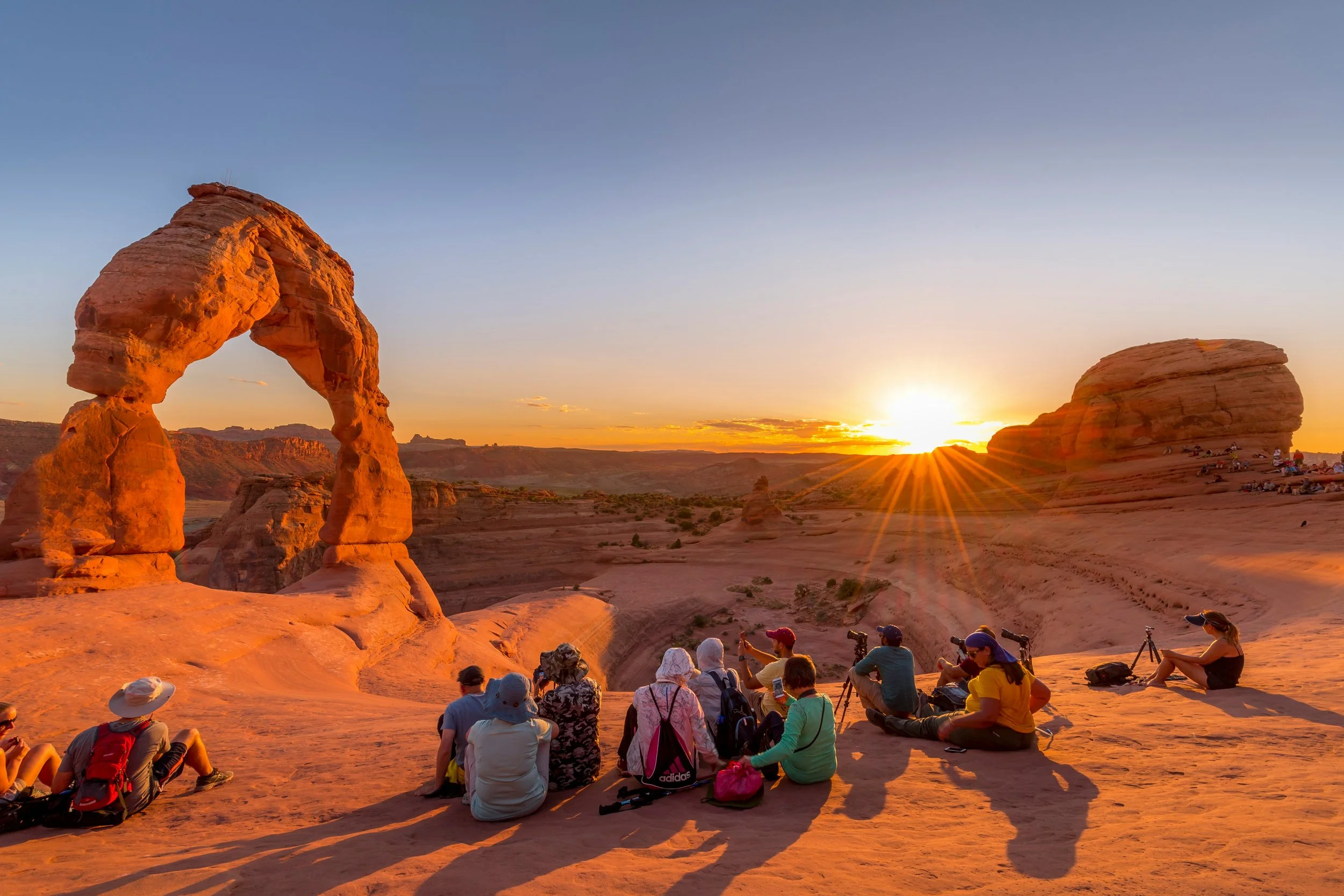
So Arches tried something. In April 2022, the park launched a timed-entry reservation pilot: visitors arriving by private vehicle during peak hours needed to book a slot in advance through Recreation.gov. It was a modest ask: a $2 reservation fee, a one-hour entry window, and a little planning. And the data that came back was unambiguous. Visitors reported improved experiences across the park and on hiking trails during the pilot timed-entry system, with more positive evaluations of crowding levels, safety, and protection of historic and cultural resources. Of visitors who tried to book, 89% were successful, and of those, 98% were able to enter on their desired day. On the review platform where visitors rated their experience, the Arches timed-entry program earned 4.6 out of 5 stars. Reviews read like dispatches from a parallel universe where national park management actually worked:
*"Frankly, I would have been scared to try and visit without this system."*
*"It's unusual that one simple innovative idea can result in such a huge improvement."*
There was pushback, of course. Some Moab businesses reported revenue dips and attributed them to the reservation requirement. Even though outside Arches, you have Canyonlands National Park, millions of acres of BLM and State Rec are, and plenty to do outside Arches. A 2024 socioeconomic analysis commissioned by the National Park Service found no statistically significant negative impact on the local economy, noting that while visitation fell about 9.4% compared to pre-2019 averages, similar declines were seen at other parks without reservation systems, and that local taxable sales held steady or increased as crowding eased. The tension between access and conservation is never simple, and the concerns of gateway community businesses are legitimate. But the visitor data told a clear story: the park worked better with managed access than without it.
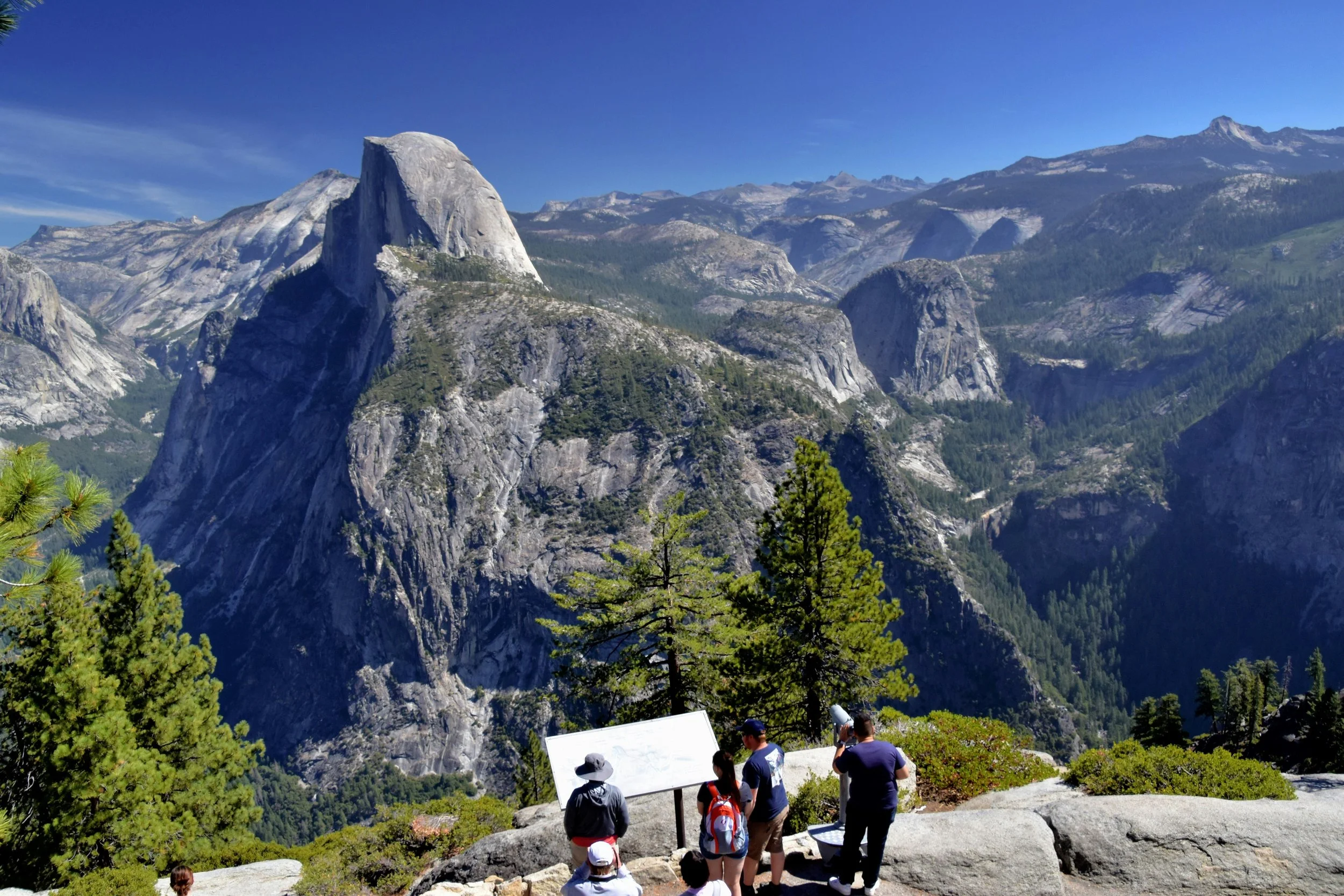
Yosemite, Glacier, and Rocky Mountain ran similar experiments, refined over years of public input, staff expertise, and real-world data. By 2024, the model was working. Over 4 million people visited Yosemite that year under a more expansive reservation system in place, smart planning didn't mean fewer people, it meant a better experience for all, and less stress on the environment, on park staff, and resources.
Then, in February 2026, in a single press release, it was over. The Department of the Interior announced that timed-entry reservations would no longer be required at Yosemite, Glacier, and Arches, eliminating systems that had been years in the making and embraced by the vast majority of the visitors they served. The official reasoning cited a "comprehensive evaluation of traffic patterns" during the 2025 season. Park advocates, operators, and former NPS staff called it what it was: a political decision dressed up in data. The administration had prioritized park access while casting aside resource conservation and operations, and we quickly saw the results. At Yosemite's Firefall event earlier this year, one witness described spending over an hour stuck in traffic leaving the park, with an ambulance stuck in standstill traffic announcing over a megaphone for pedestrians and vehicles to move out of the way.
This is the stress test. And it isn't just about parking.
The National Park Service has lost roughly 4,000 permanent employees since January 2025 — a 24% decline in its permanent workforce. By last fall, visitor centers had cut hours, ranger-led programs were cancelled, campgrounds operated with skeleton crews, and the Coalition to Protect America's National Parks documented trail maintenance backlogs, restroom closures, and reduced emergency response capacity across dozens of parks. We are now asking our parks to handle record crowds with fewer tools, fewer staff, and less money than they had a decade ago, while simultaneously dismantling the management systems that were finally proving their worth. Under current projections, there will be one public lands staff member for every 16,000 visitors, nearly double the ratio from 2011.
Sustainable tourism isn't a feeling. It's a system. And you cannot run a system when you're actively removing its working parts.
Here is the uncomfortable truth that sustainable tourism practitioners have understood for years: the United States did not invent this problem, and we are not the only ones trying to solve it. But while we argue about parking reservations, other countries have been quietly building the infrastructure of responsible tourism from the ground up, and the contrast is instructive.
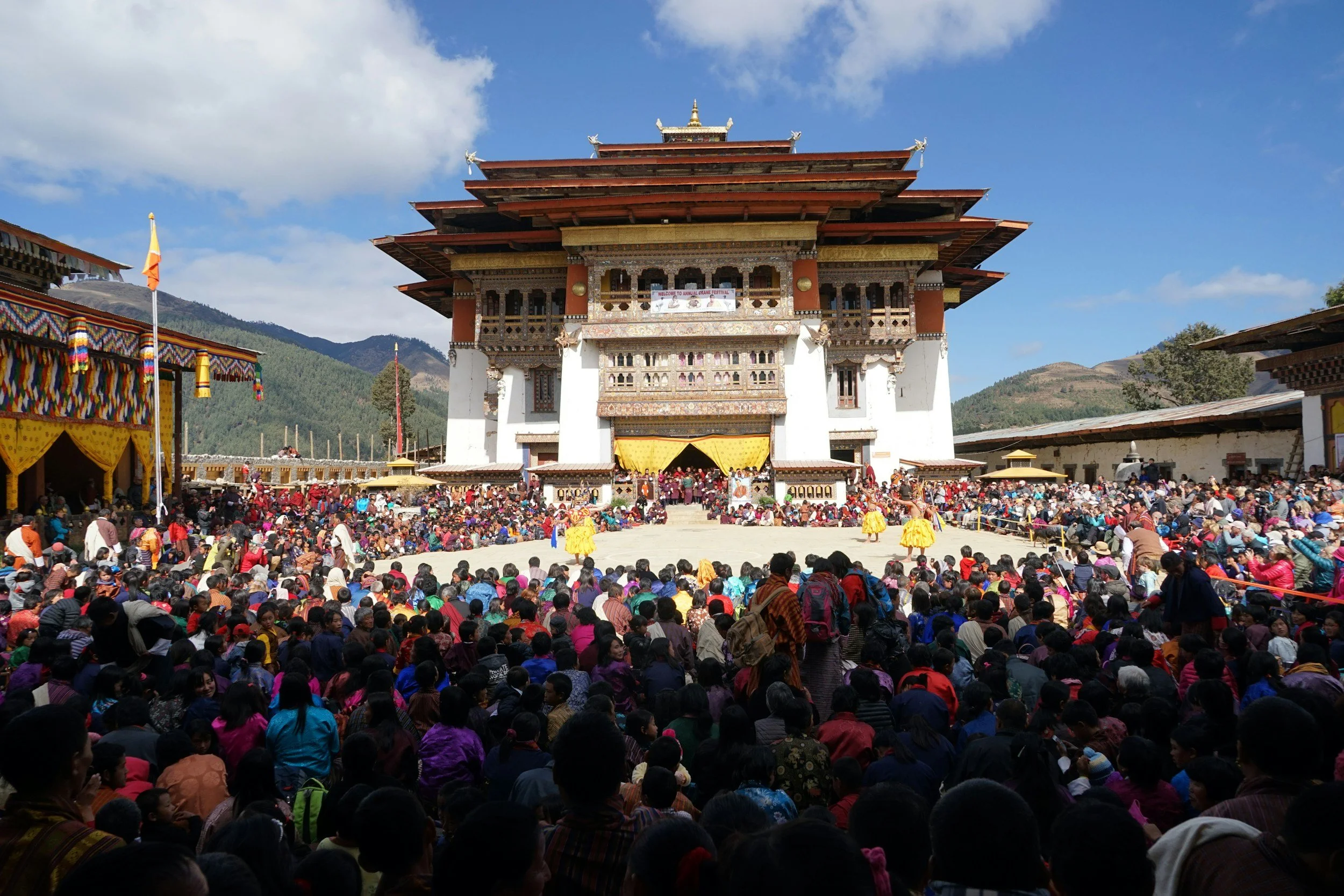
Bhutan is the most cited example for good reason. The tiny Himalayan kingdom has operated on a "High Value, Low Volume" model since it opened to international tourism in 1974. Bhutan limits annual tourist arrivals, charges a Sustainable Development Fee, and closely regulates all travel through local operators, a system that protects fragile ecosystems, funds healthcare and education, and allows local communities to benefit from each visitor. Currently set at $100 per person per day for international visitors, the fee generates revenue specifically allocated to environmental conservation, infrastructure development, healthcare, education, and cultural preservation. Compare that to the $35 a family of four pays for a week in Zion. The philosophy isn't just different; it's a different definition of what tourism is for.
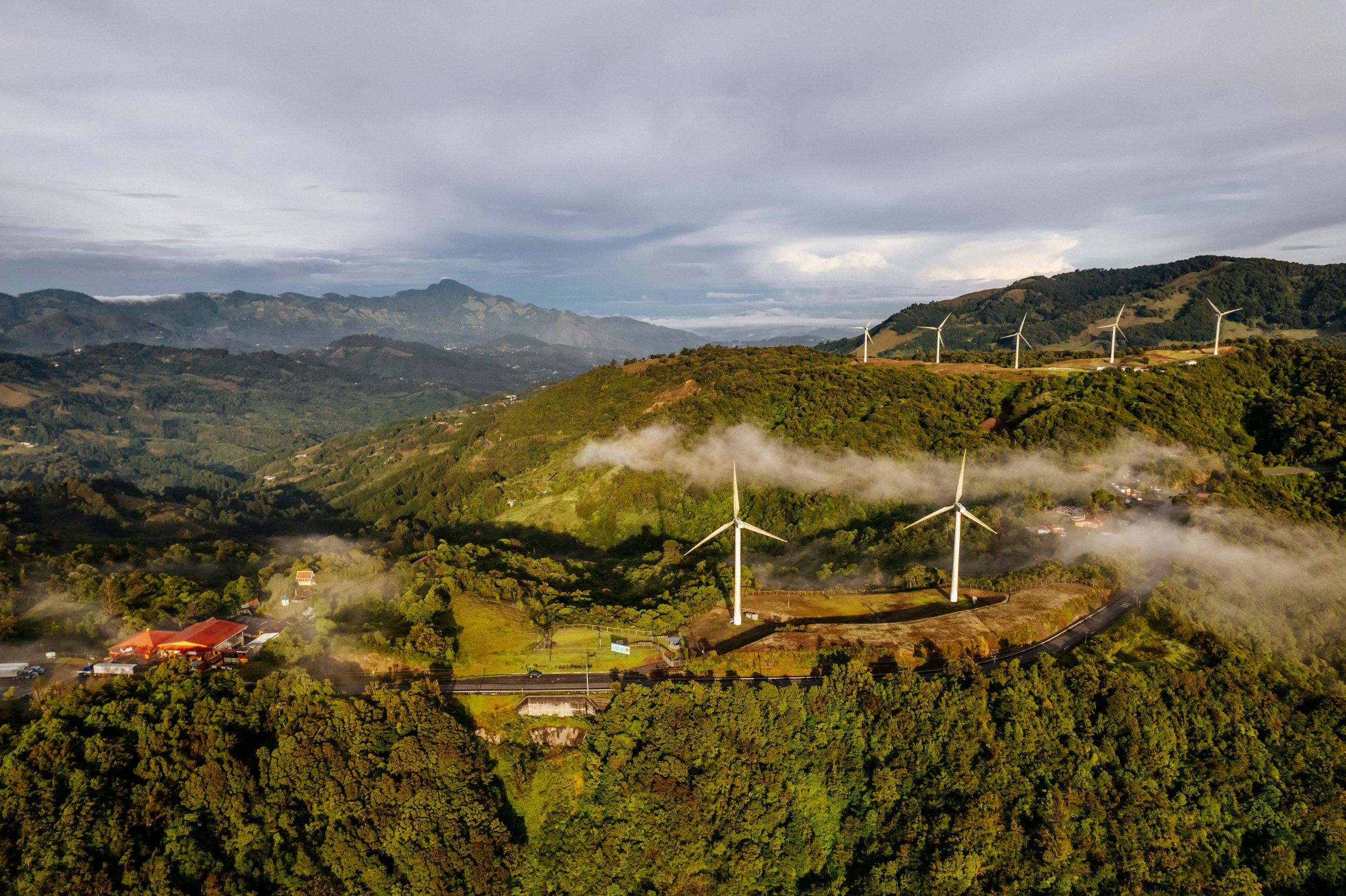
Costa Rica built its model around a different kind of integration. The country made a series of key decisions that shaped everything: creating a national park system that now protects roughly 25–30% of the country, introducing payments to landowners for protecting forests, and making a national push toward renewable energy, with most electricity now coming from hydro, wind, and geothermal sources. Tourism, conservation, and energy policy were treated as parts of the same system rather than competing interests. Its Certification for Sustainable Tourism standard has been recognized by the Global Sustainable Tourism Council and has become a global model for best sustainable tourism practices.
These models aren't perfect, and neither is wholesale comparison; the US national park system operates at a scale no other country comes close to matching. But the principles are transferable. And we have, at times, come close to getting it right ourselves.
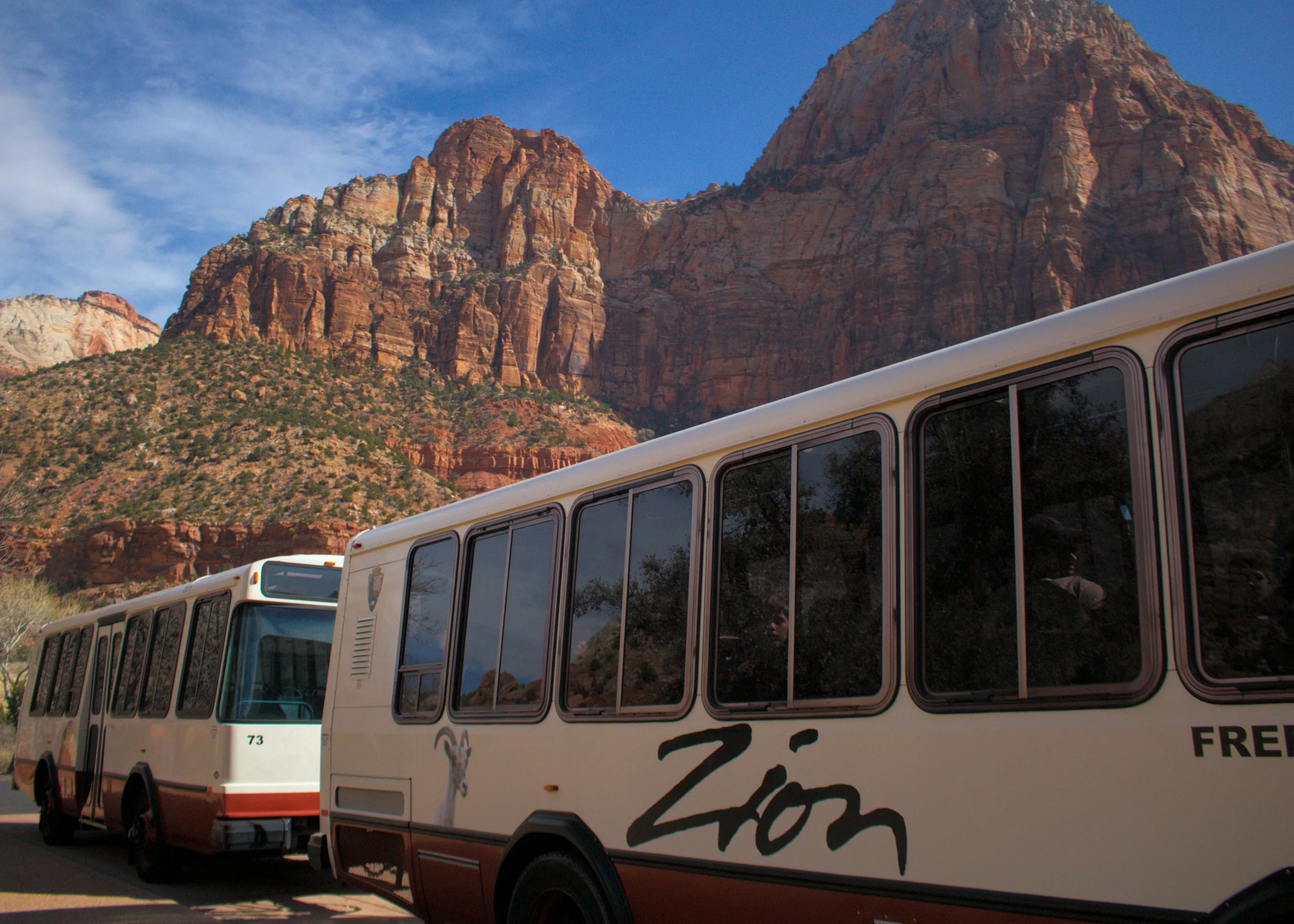
Zion National Park's mandatory shuttle system, which launched in 2000, has been used by over 90 million passengers since, and it is one of the American park system's genuine sustainable tourism success stories. In 2024, Zion became the first park in the National Park System to transition to a fully electric transit fleet, the culmination of a multi-year partnership supported by a $33 million federal transportation grant. Quieter, cleaner, and more efficient, the electric shuttle system is proof that when investment, political will, and smart planning align, parks can lead on sustainability rather than lag behind it. A bonus at Zion is that you can skip the bus and the camping or hotel lodging reservation, which would allow you to drive into the park and ride an E-bike or regular bicycle into the park for car-free views of some of its most spectacular features. The Grand Canyon, Acadia, and Yosemite are working to follow suit.
That's the model. Managed access. Invested infrastructure. Revenue that circles back into conservation. Visitor education is embedded into the experience, not bolted on as an afterthought. A recognition that the goal is not maximum visitors, it's optimal visitors, having a better experience, in a park that will still be worth visiting in fifty years.
We know what works. Arches proved it. Zion is proving it again, one quiet electric bus at a time. Bhutan has been proving it for half a century. The question for America's national parks, and for every destination in the world watching this stress test play out in real time, is not whether the tools exist. It's whether we have the political will to use them before the thing we came to see is gone.
ABOUT THE AUTHOR
Alice Ford is a double Emmy-nominated television host, adventure filmmaker, and professional stuntwoman with a background in environmental management and sustainable tourism storytelling. As the creator and host of the PBS travel series Alice's Adventures on Earth, she explores the intersection of conservation, culture, wildlife and outdoor adventure through immersive human centered storytelling With more than 15 years in the film industry, Alice has worked both in front of and behind the camera as a producer, cinematographer, drone pilot and host bringing cinematic narratives to destinations and environmental issues around the globe Her work focuses on public lands, wildlife conservationand community based travel experiences that inspire deeper connections to people and planet.