
How Winter Tourism is Changing
For generations, mountain towns, ski resorts, and other winter destinations relied on snow-based tourism to stay afloat. But as climate change lessens snowfall and makes weather patterns unpredictable, destinations are turning to all-season travel and other creative solutions to preserve tourism and the environment in one fell swoop.
The Challenges Faced By Winter Tourism Destinations
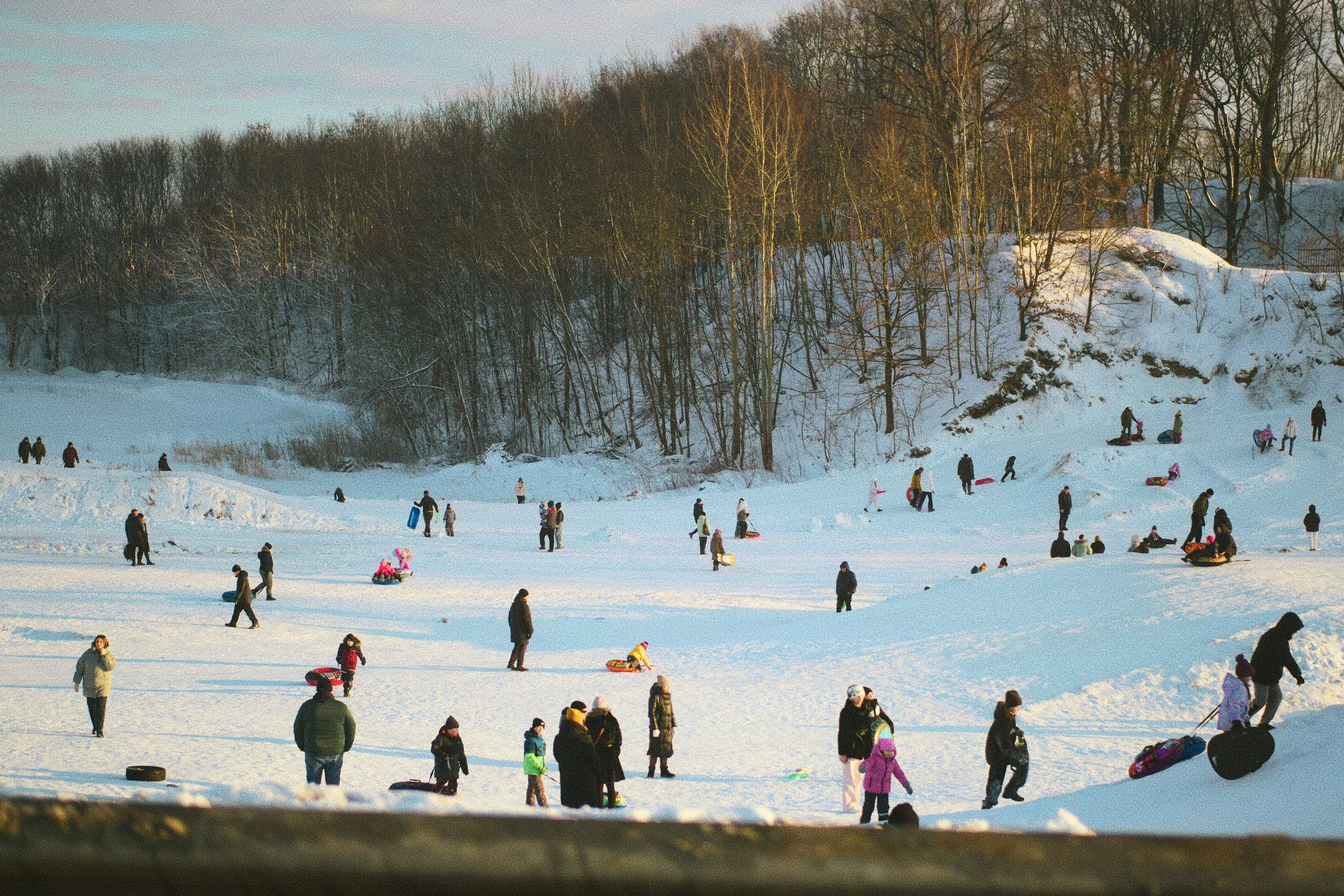
You don’t have to go far back in history to remember winter tourism in its heyday, when destinations around the US got enough snow to be considered winter wonderlands, with ski resorts operating at full capacity from November to April. But, as climate change began to reshape weather patterns, seasonal tourism shifted.

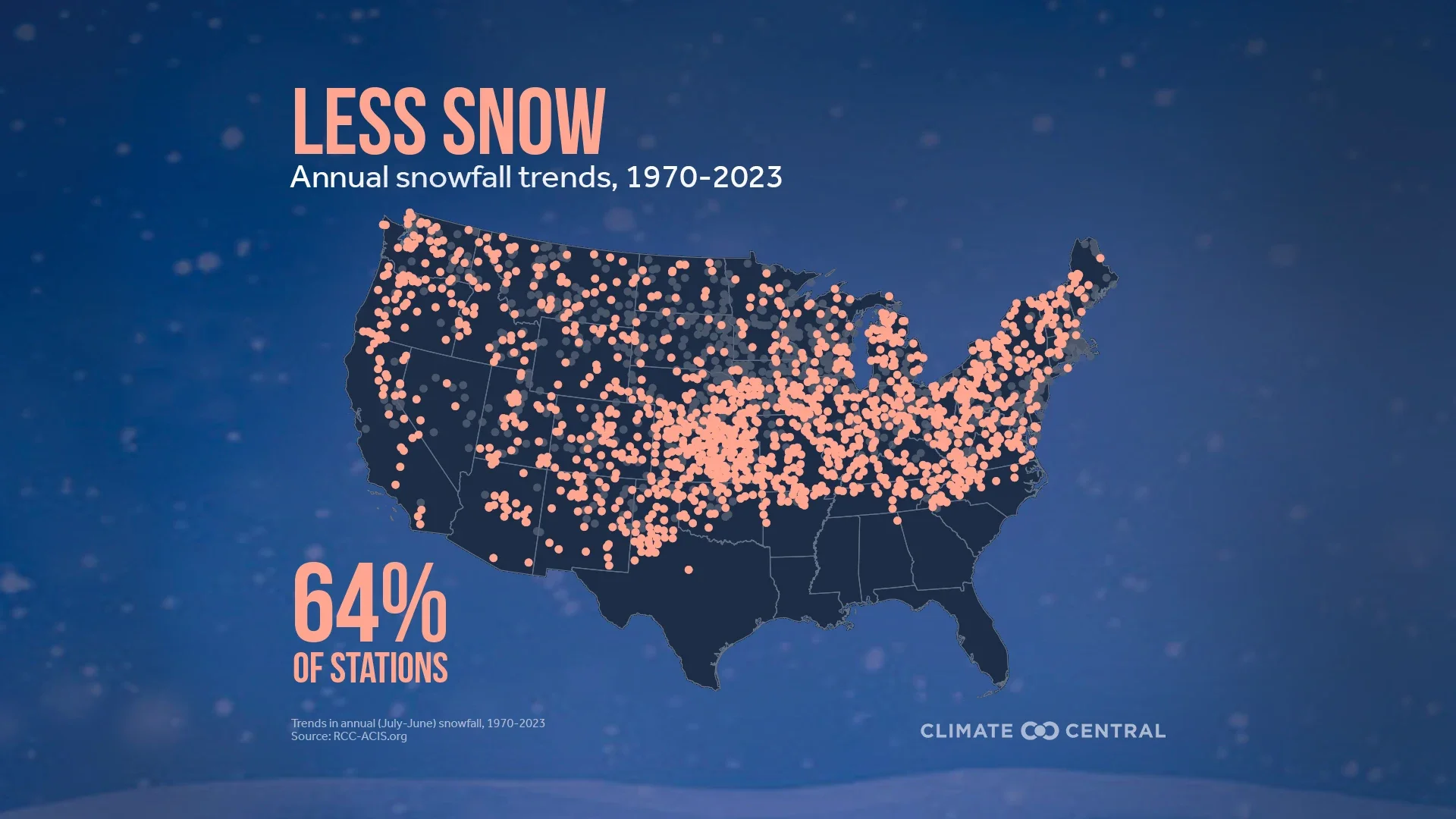
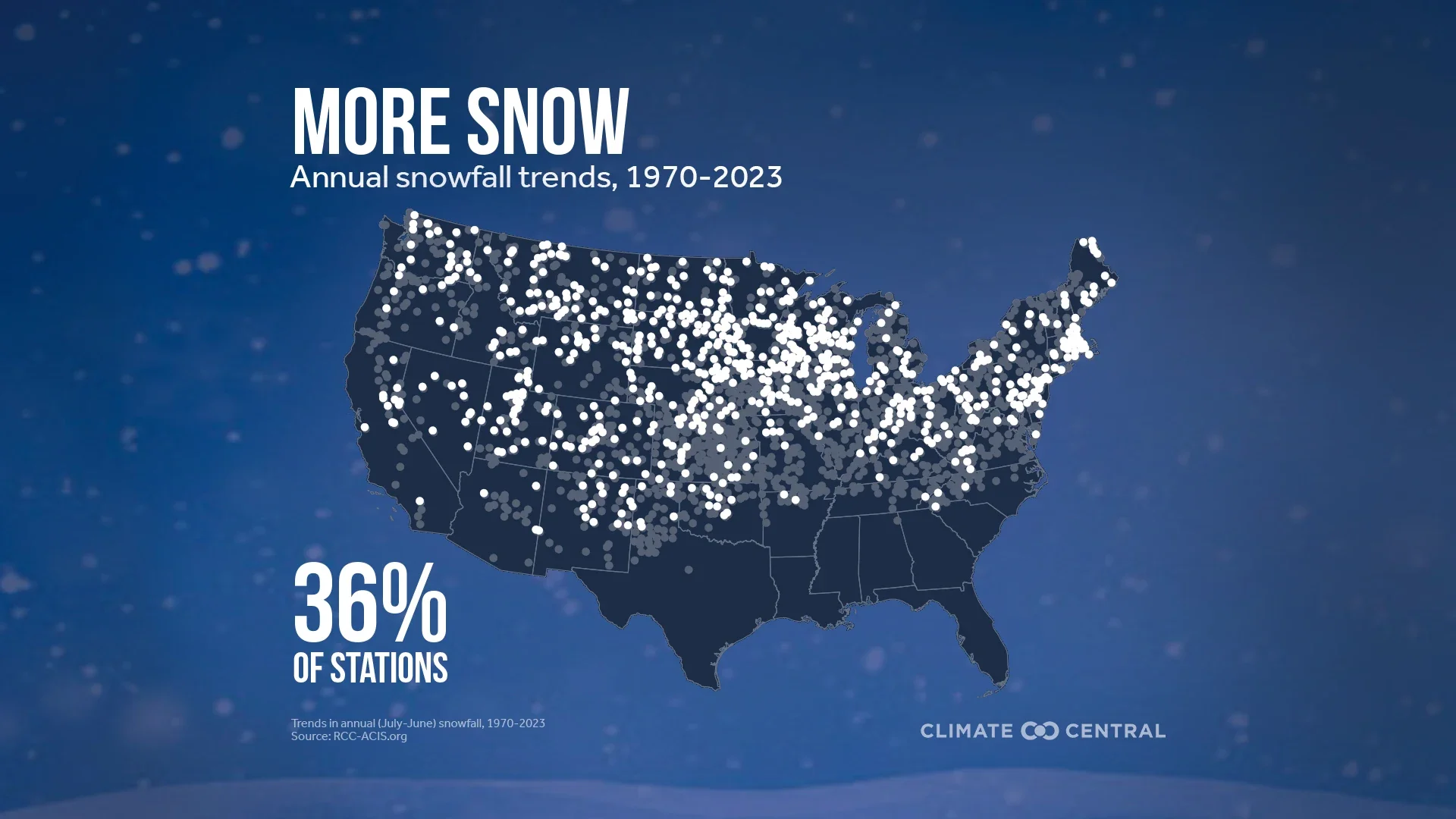
It started with the closing of small ski hills (like Mont Bleu in Kansas or Belle Mountain in New Jersey) in the 80s, 90s, and early 2000s, and now has reached much further—studies have shown that ski areas in Colorado alone have lost some $5 billion in recent years due to shortened ski seasons. Changes in snowfall also have a ripple effect that can be felt throughout the year, as dry winters lead to dry summers that put destinations at greater risk for wildfires at the same time water reserves are low.
Heleena Sideris, General Manager of vacation rental business Park City Lodging, can remember clearly what it was like to grow up in the Utah ski town. “Walking up and down the sidewalks when I was younger, there were snow banks above my head,” she reflects, “and now those snow banks might be at my shins throughout the season.” She calls these changes in her lifetime “alarming.”
Another Park City native, Tori Sowul, now works as Director of Development at Mountain Towns 2030, an organization that brings mountain towns together in pursuit of climate change solutions. She has similar memories of Park City: “When I was growing up, winter wasn’t just a season, it was our entire identity. It was our culture. It was our economy,” she says. “And now because winters have become so unpredictable, we’re at risk of losing all three of those things.”
As far as the impact on the local economy goes,“It’s changing the product that we sell,” says Sideris. Park City used to be a December destination known for so-called “champagne powder,” but decreased snowfall in recent years has delayed the ski season by months. This then prompts travelers to cancel their holiday ski trips. “Because we have a very affluent community,” Sowul explains, “people can change their plans on a dime, and then the town goes into crisis mode.”
Sideris says Park City Lodging has been charging lower, ‘summer’ rates until later in the winter, which isn’t financially sustainable. “As the ski season shortens, not only is it impacting our revenue, but it's also impacting visitation. So other small businesses—our coffee shops, our restaurants, our ski shops…it has a trickle effect.”
These problems are not unique to the Western states. Blake Keogh is an avalanche instructor, climate advocate with Protect Our Winters (POW), and ski guide in New Hampshire. He says that while the West is struggling with low snowpack this year, in New England it has already been a “phenomenal winter.” But, he adds, “This is increasingly an anomaly.” Keogh feels the impact of climate change personally: “You can do the math of if we can’t teach a course or guide, all of a sudden that’s a bill we can’t pay.”
Keogh has also seen the dangerous impact of unpredictable snowfall on backcountry skiing, considered a high-risk sport because of the chance of accidentally triggering avalanches while skiing outside the boundaries of ski resorts. “One of the psychological characteristics we run into is ‘scarcity bias,’” Keogh explains, “Feeling the need to ski something or putting yourself in a place earlier than you normally would in a season because you think ‘This might be the last storm of the year.’”
Winter tourism destinations also face obstacles when trying to implement solutions. Like recent federal hostility toward the concept of climate change and its mitigation. “The administration has been really volatile, so you have to change a lot of vocabulary,” shared Sowul, elaborating that many official documents and proposals now must omit the word ‘sustainable’ in order to be considered for federal funding. “I know a lot of local governments have been trying to wordsmith because we want to make sure our programs aren’t getting shut down.”
The Solutions For Destinations
So, with winter tourism destinations around the US battling the effects of climate change, what can be done?

FIGHTING CLIMATE CHANGE ITSELF
Of course, it’s not enough to fight the impacts of climate change without also addressing the root cause. That’s where Mountain Towns 2030 comes in, inviting mountain communities from around the US to participate in events and learn from each other’s sustainability strategies. “Climate solutions already exist. No one has to reinvent the wheel,” Sowul explains, “What we’re providing is a network to share knowledge.” To illustrate this point, she says that local leaders from Taos, New Mexico, were so inspired by Aspen’s composting actions that immediately after the Mountain Towns 2030 climate summit last year, they went back home and secured capital for waste reduction, recycling, and community composting. “We’re all trying to see what each other is doing,” says Sowul.
Sideris, meanwhile, just wants communities and businesses to take climate change more seriously. “My big hope, aside from every single business having some sort of impact model where they're giving back to the community,” she says, “is that we're going to stop talking about sustainability as this niche, extra credit thing. It has to be just the standard.”
GETTING CREATIVE
Managing the desires and expectations of travelers is a major challenge for tourism businesses. Sideris says that, in light of unpredictable snowfall, Park City Lodging has been offering travelers booking flexibility and encouraging them to buy trip insurance that includes no-snow coverage. But they’re also trying to come up with outside-the-box solutions. “It's created an opportunity to be more innovative in terms of how we package and sell our product,” she says.
When Thanksgiving (historically the time when Park City Mountain Resort opens for skiing) in 2025 was snow-free, Sideris sat down with her team to brainstorm alternate activities for guests. Even without skiing, “there are some really beautiful ways to be in the mountains, share in community, and still have a great vacation,” she says. As alternatives, she suggests excursions like taking guided day trips to hike in the Uinta Mountains, going on a hot air balloon ride, or fly fishing.
Other businesses in Park City are learning to adapt, too. Instead of sleigh rides for Christmas, one company offers wheeled carriage rides, and Sideris says that downtown now offers a snow globe walk and holiday light displays in an effort to “bring more life into the urban part of Park City.” She hopes that by getting creative, they can not only keep up winter tourism regardless of snowfall, but also “attract visitors who are actually going to steward our community.”
ENCOURAGING ALL-SEASON TRAVEL
Another solution destinations are adopting is to promote all-season travel rather than encouraging visits during peak seasons. This not only combats overtourism that puts a strain on businesses, infrastructure, and the environment, but also offers a solution to destinations struggling with unpredictable weather during their star seasons.
A prime example is the Finger Lakes Regional Tourism Council, which has leaned into the idea of destination stewardship through responsible, year-round tourism. By promoting the Finger Lakes as a four-season destination rather than solely a summer vacation spot, they’re hoping to distribute visitation over a longer period of time for greater sustainability. That means getting the word out about outdoor activities that await visitors year-round, from scenic trails that support hiking and snowshoeing to harvest season at local wineries, year-round fishing opportunities, and more.
In the West, the YMCA of the Rockies in Estes Park, Colorado, is hoping to draw in travelers who visit during the winter, offering alternative activities to skiing when snowfall is low. Like archery (available year-round), indoor rock climbing, horseback riding, wellness programs, and other attractions.
The Solutions For Travelers
Although the bulk of the responsibility falls on the shoulders of businesses, organizations, and the government, travelers can also contribute to sustainable winter tourism. Here are some of the ways to lend a hand:
CONNECT TO THE LOCAL COMMUNITY
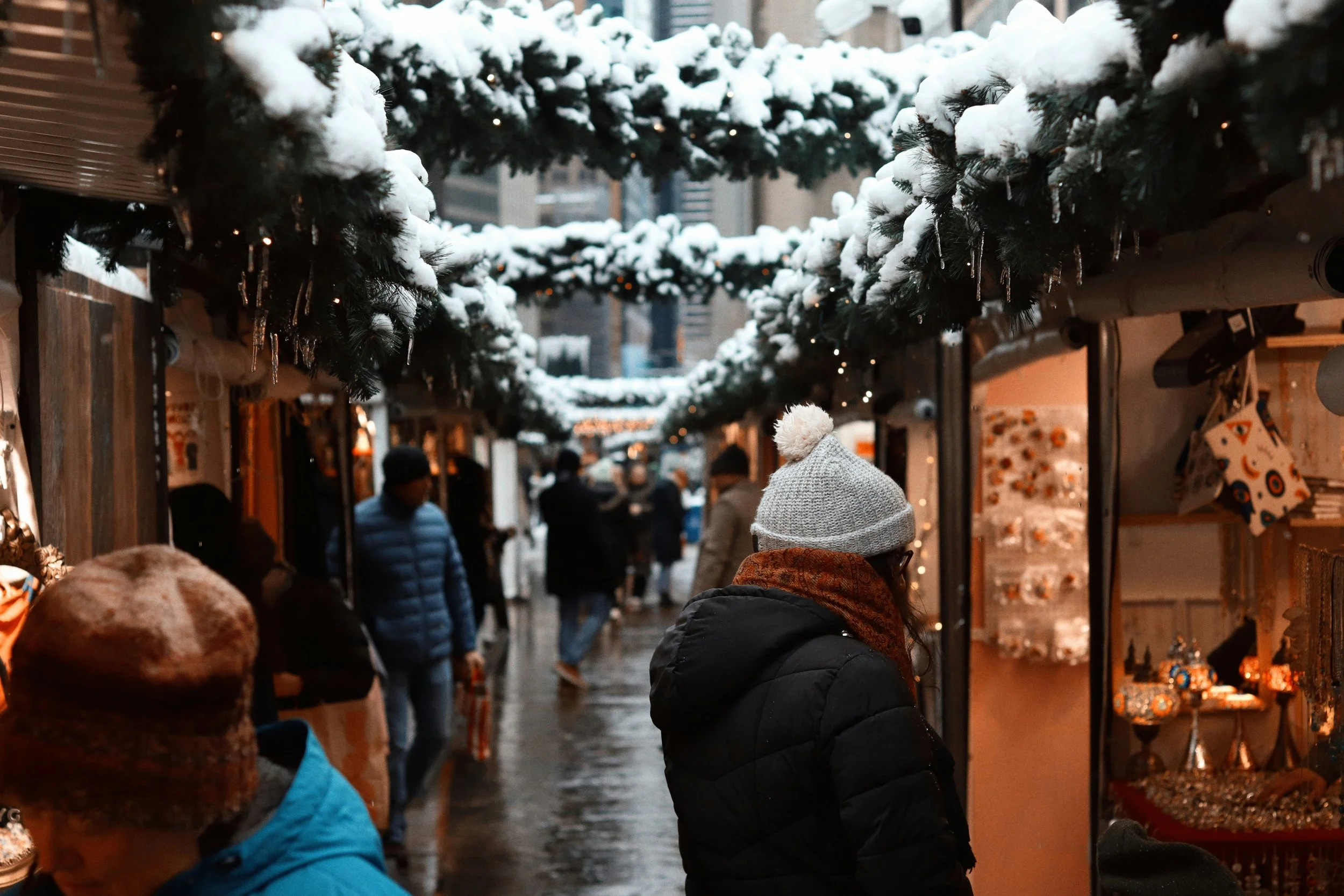
Local communities in tourism destinations are great, and often untapped, resources. If you’ve booked a ski trip but learn there won’t be enough snow to hit the slopes, for example, Sideris suggests: “Reaching out to make that human connection. Find an individual you can speak to who lives, works, and plays in that community and let them help guide you.”
That also goes hand-in-hand with the concepts of slow travel, Indigenous tourism, and regenerative travel, all of which offer responsible ways of visiting destinations, with a focus on the impact on and collaboration with local communities.
KEEP AN OPEN MIND
Sideris also suggests getting more comfortable with flexibility in your plans and expectations. “I’m so guilty of this,” she shares, “I’ll go on vacation and have really clear expectations about what I think it should be.” During a recent summer trip, her plans to bike were hampered by constant rain. “So I wasn't able to get on any trails, but guess what? I saw the coolest galleries, I ate at the best restaurants—things I would have never had time for otherwise. It was a great trip, and I can't wait to go back.” Opening your mind, she says, “allows some of that magic to come in.”
TRAVEL SUSTAINABLY
Keogh believes that, even though the majority of the responsibility lies at a “systemic level,” it’s also worth examining our own travel practices as individuals. That can look like “being really honest about do I need to travel? Is that travel completely necessary? Or is it just nice to have?” And when travel is a necessity rather than a luxury, it’s worth looking into ways to reduce carbon emissions, such as choosing closer destinations, using public transportation rather than flying or driving, and only supporting businesses that use sustainable practices.
At least for the time being, it seems like climate change and unpredictable seasons are here to stay. So, at the same time we fight to protect our planet, we can also be more open-minded about seasonal travel, finding creative ways to explore our favorite destinations regardless of the weather.
ABOUT THE AUTHOR
Zanny Merullo Steffgen is a freelance travel journalist based in Colorado whose work focuses on sustainable and responsible tourism. Her writing has appeared in Lonely Planet, Fodor's, Adventure.com, and other magazines. To read more of her work, visit zannymerullosteffgen.com or follow her on Instagram @zanmerusteffgen