
Why the ‘Cowboy Core’ Travel Trend is Going Global
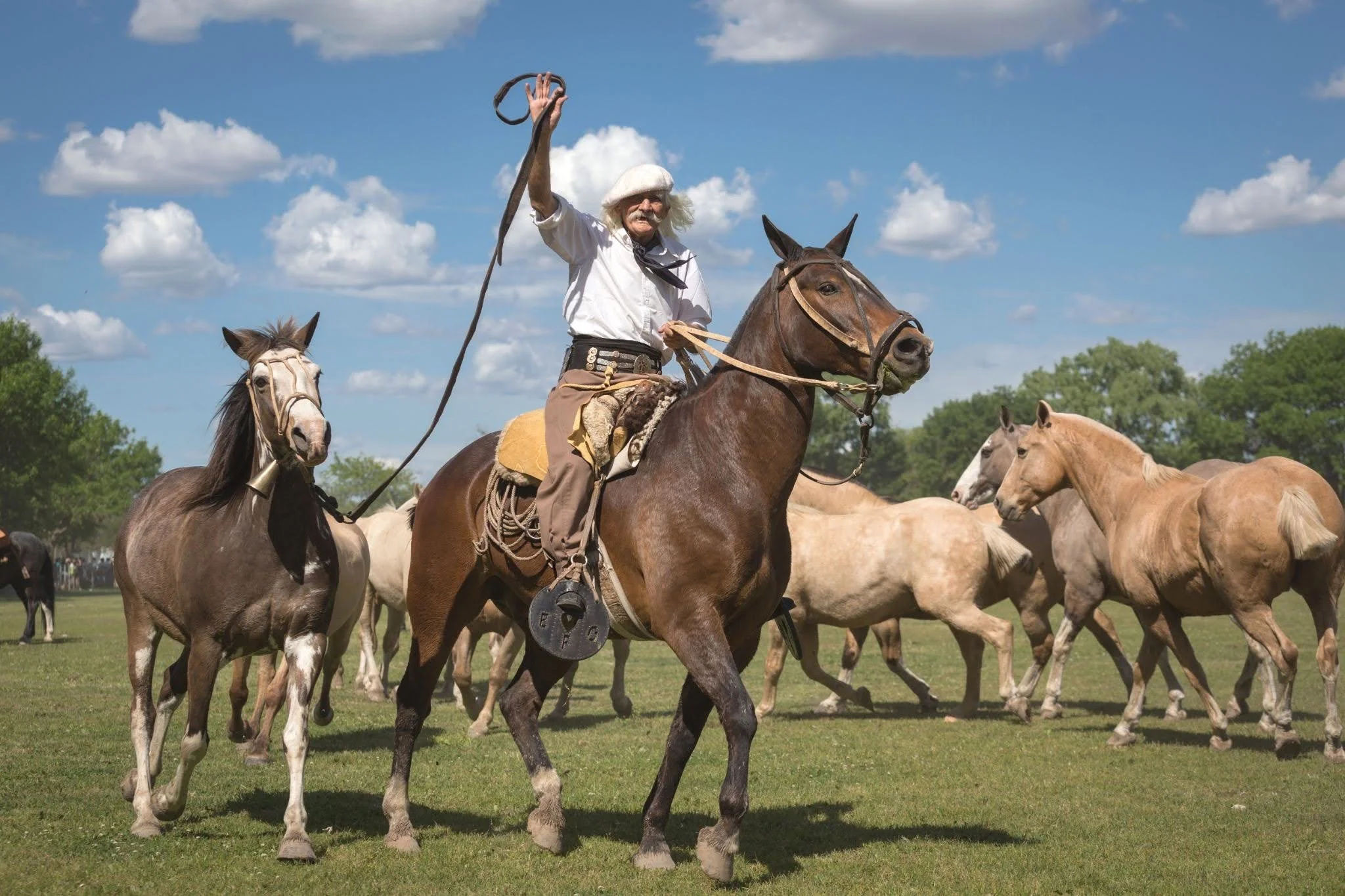
Photo by Say Hueque
There’s something about the rugged cowboy, his jeans and hard work ethic, that resonates across cultures, ages, and backgrounds.
In fact, "Cowboy Core" (named for the American western wear and aesthetic) was one of the biggest travel trends of 2025, and it's seeing a resurgence as more travelers search for authentic, experiential travel over the usual tourist traps.
What's driving the demand? In the U.S., recent hype has been thanks to pop-culture moments: The popular TV series “Yellowstone,” the Dallas Cowboys Cheerleaders docuseries, and Beyoncé's Grammy-winning album.
Cowboy tourism can include everything from visiting rodeos and museums to staying at a dude ranch. And it brings in big bucks. A 2024 study found that the Oklahoma City-based National Cowboy & Western Heritage Museum will have a total economic impact of $313 million on the state of Oklahoma during this decade. Further, the Colorado-based National Western Stock Show (NWSS) supported $171 million in net economic activity during the 16-day event in 2023, according to another study. Other U.S. places that are popular for such tourism include Montana, South Dakota, and North Dakota.
While the cowboy revival plays out on screen and in life across the United States, travelers are discovering its South American counterpart: the gaucho culture of Patagonia. Say Hueque, a Buenos Aires-based, tailor-made travel company specializing in immersive journeys across Patagonia and wider South America, has seen rising demand from travelers seeking a genuine connection to locals. One way to do that is through a stay and experience at an estancia (ranch).
“From what I’ve observed, travelers are increasingly looking for experiences rather than simply visiting destinations,” says Analía Rupar Przebieda, Say Hueque travel expert. “Staying at an estancia or somewhere that offers an authentic connection to local life seems to be where the interest is heading.”
Przebieda says people can expect a true sense of retreat and tranquility from these experiences. Life in Patagonia, and particularly on an estancia, follows a very different rhythm from modern urban life. Days are shaped by the needs of the land and the animals: if there is livestock to tend, the work revolves around the livestock; if it is shearing season, the day follows that schedule. Riding and caring for horses may also be on the day’s agenda. It is a lifestyle connected to nature, daylight, and the changing seasons.
“I personally think that these experiences are so appealing as we all can take the opportunity to slow down and reconnect with a simpler pace of life,” she adds. “Whether it’s riding horses, sharing a traditional asado, and spending more time with family and friends in a nice conversation after dinner ora full day of activities.”
Of course, comparing the culture of gauchos in Patagonia to that of cowboys in the U.S. can look similar on the surface. But, says Przebieda, there are differences in the dress, culture, and lifestyle maintained by both groups.
“I also notice that many travelers naturally compare these experiences to the ranches they know in places like Texas, with the imagery of cowboys and cowgirls. What Patagonia offers, however, is something quite different, and I think that’s worth highlighting,” she says. “Most estancias in Patagonia are smaller, more intimate, and far less crowded. It’s not that ranches in Texas are necessarily massive, but they serve a much larger domestic market.”
Patagonia, on the other hand, remains a remote destination with fewer visitors, which creates a stronger sense of intimacy and exclusivity. She often tells travelers that accommodation and experiences in Patagonia need to be booked in advance because places are small and availability is limited. A visit to a ranch is also a good plan with kids
“Another important difference is the journey itself. Patagonia is not an easy destination to reach. Getting to southern Argentina or Chile requires time and commitment, especially compared to destinations where travelers can easily visit several countries in a couple of weeks. Because it takes effort/time to get here, I think it is worth slowing down and taking in all that the destination has to offer.”
At another estancia named Nibepo Aike, visitors have the opportunity to experience a real working Patagonian estancia, rather than simply watching a demonstration of gaucho traditions, said owner Juliana Jansma.
“The estancia is located about 56 kilometers from El Calafate, within Los Glaciares National Park, surrounded by an extraordinary mountain landscape,” she said. “Visitors and guests can take part in activities such as horseback riding, trekking, and our traditional Ranch Day, while also experiencing rural life firsthand and learning about the daily work carried out at the estancia.
The combination of nature, history, culture, and everyday life makes this a unique experience, she added.
“The idea is not simply to show visitors what a gaucho does, but to allow them, even if only for a moment, to understand what it means to live and work in this environment.”
Cowboy Tourism Around the World
Although they may not be known as cowboys all over the globe, working dude ranches, farms, estancias, and more are available to visit all over the world. Roll up your vaqueros, or “cowboy pants,” and consider visiting these destinations and working properties.
Photos by Say Hueque
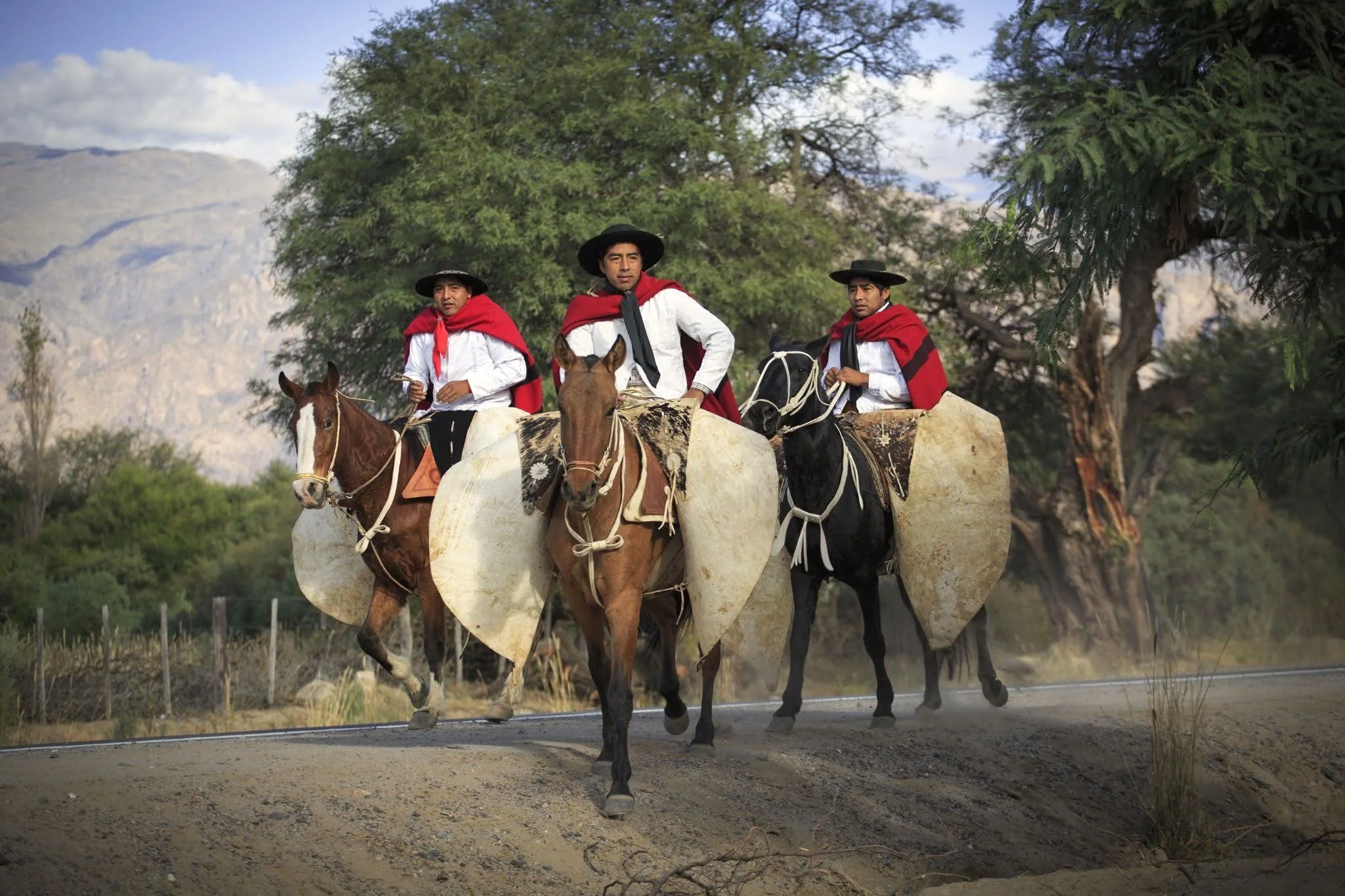
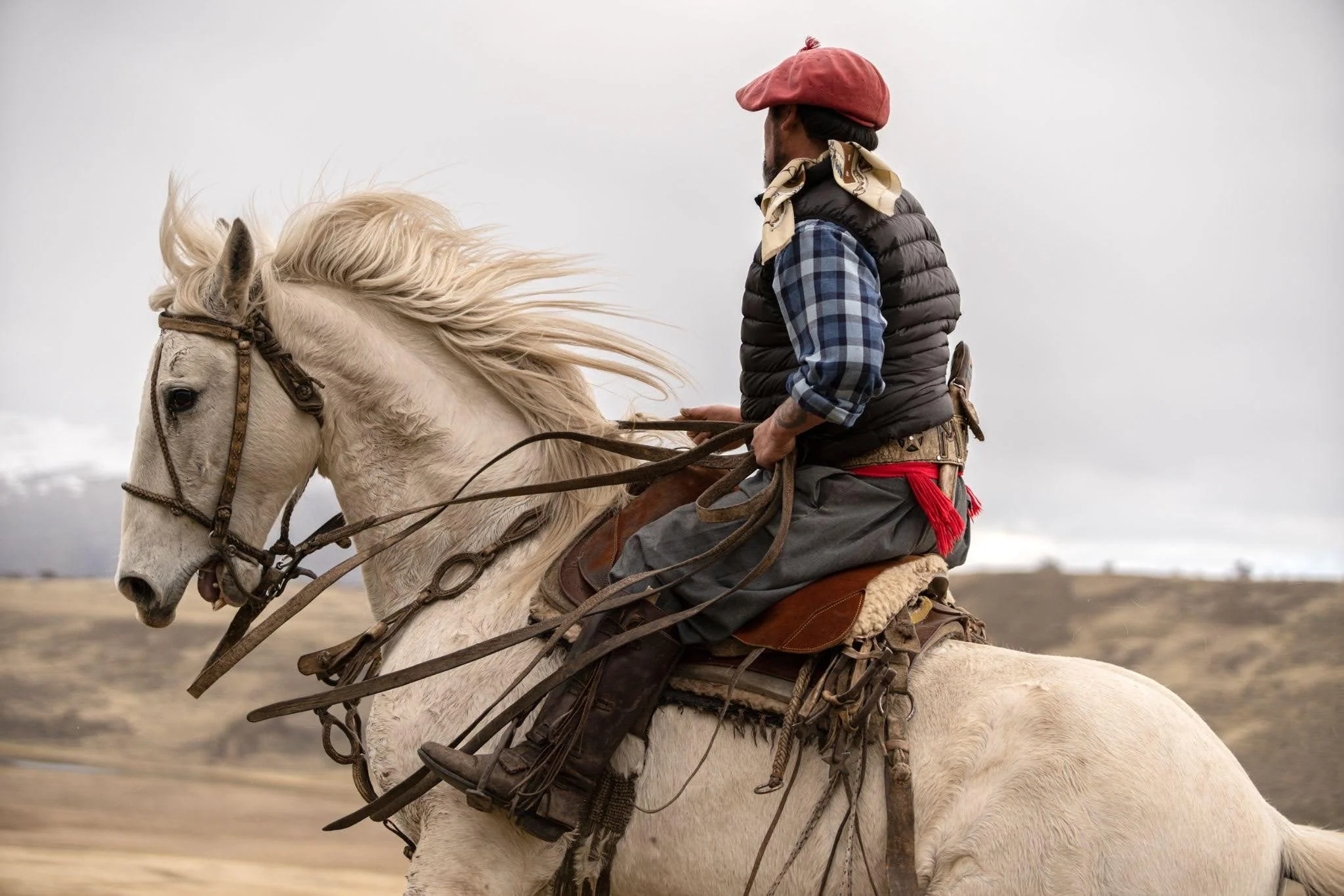
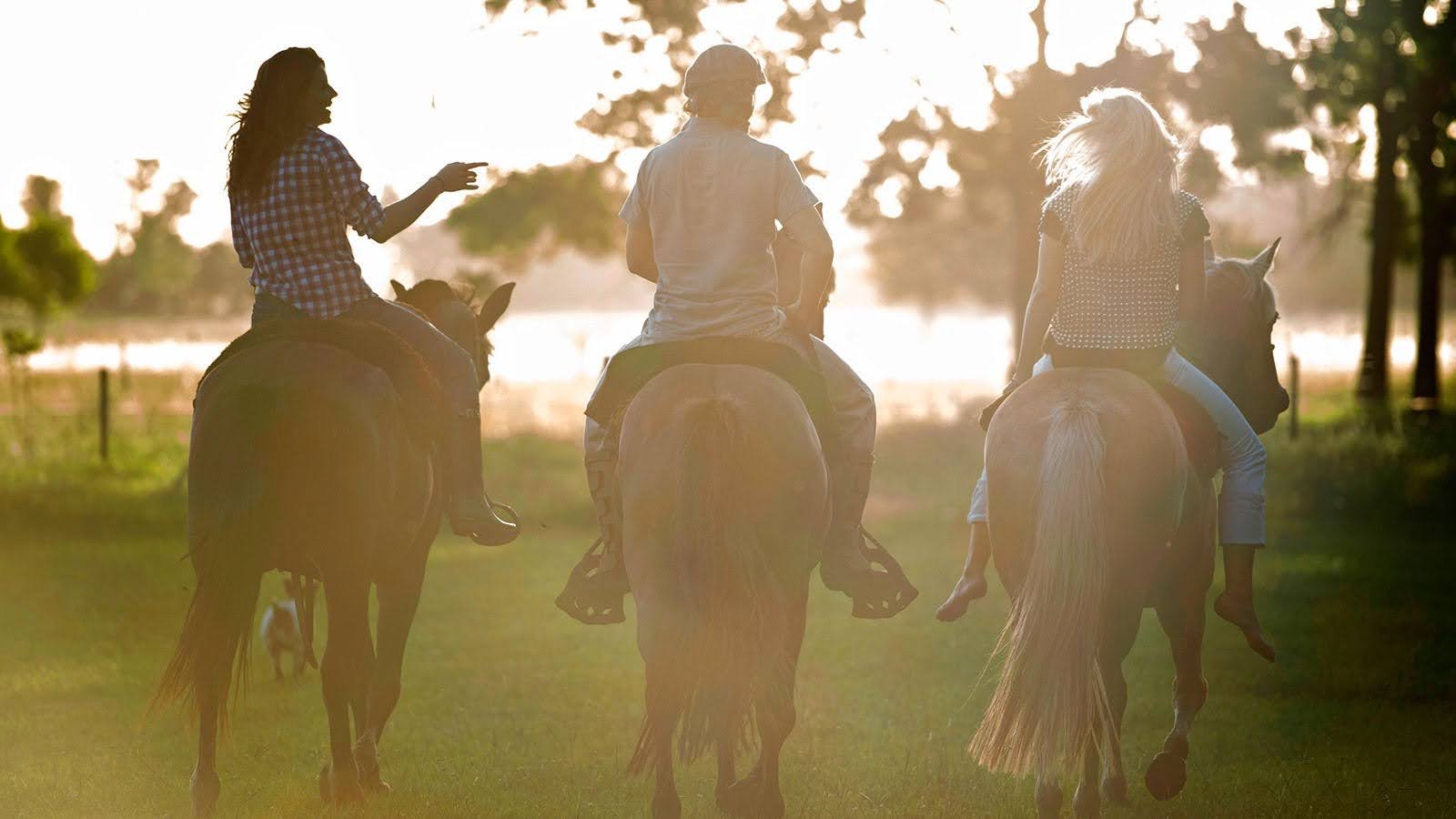
CHILE
There are two types of cowboy culture in Chile: the huaso and the baqueano, or Patagonian gaucho. The huaso is from central Chile. They can often be found wearing a chupalla, which is a woven straw hat. They are also fond of woolen ponchos called a manta or chamanta and large steel spurs. Like in the U.S., rodeo is a big deal in Chile –it’s the official national sport, in fact. In Rancagua, the major national rodeo is held.
The baqueano, meanwhile, hails from Patagonia, Chile, and can be found in the plains, forests, and mountain trails, especially near Torres del Paine National Park and Puerto Natales.
TEXAS, UNITED STATES
The second-largest state by land size in the U.S., behind Alaska, Texas is home to a plethora of farms and ranches. Cowboy culture is alive and well in the Lone Star State. Dude ranches like Mayan Dude Ranch and Dixie Dude Ranch offer visitors simple accommodations and meals signaled with a dinner bell. In fact, Bandera, Texas, located northwest of San Antonio with a population of less than 1,000 residents, is known as the “Cowboy Capital of the World.”
Rodeos, typically held January through March, can be found throughout the state, including in Fort Worth, Houston, and Austin. In addition to competition and livestock shows, these entertainment events also often feature kids' activities, food, and games.
Don’t forget to look the part, either. From the ever-present blue jeans to a slick pair of cowboy boots, a true immersive experience will include a trip to the local custom store. Top it off with a cowboy hat, and you’re all set!
SPAIN
It’s no surprise that words like rodeo, lasso, and chaps from chaparajos are from Spanish vocabulary. It was in southern Spain that people started to manage semi-wild cattle on open ranges. Later, Spanish explorers would export the methods and practices to Florida, Mexico, and elsewhere: the North American cowboy and South American gaucho were born.
Today, visitors to rural areas of Spain who are experienced with horses can take part in multi-day cattle drives. Unicorn Trails, for example, offers real-life cattle drives.
MONGOLIA
Mongolia is home to a horse-herding culture that is the oldest in the world. The nomadic lifestyle features yurts for accommodations and a uurgash (a long pole used as a lasso) to round up the horses. Visitors can stay with a nomadic family to experience this wondrous journey up close. True Mongolia Travel is one company that sets up visitors with family stays in yurts.
The Naadam, meanwhile, is a historic festival dating back centuries, featuring horse racing, among other activities. Today, the most well-known Naadam festival takes place in Ulaanbaatar during the summer months.
About the Author
Kristi Eaton is a writer and publicist who works with social-good causes, travel brands, and other clients to amplify change-making stories across the globe. Learn more about her at KristiEaton.com.