
Wellness Travel Reimagined: How Destinations Are Designing Experiences for an Overwhelmed World
Wellness travel is booming, with a projected 44.7% increase since the pandemic. Today's travelers are looking for far more than a traditional spa getaway. They want intentional itineraries, meaningful experiences, and personalized ways to recharge, reconnect, and return home renewed. As demand evolves, experiential programming is redefining what a wellness journey can be.
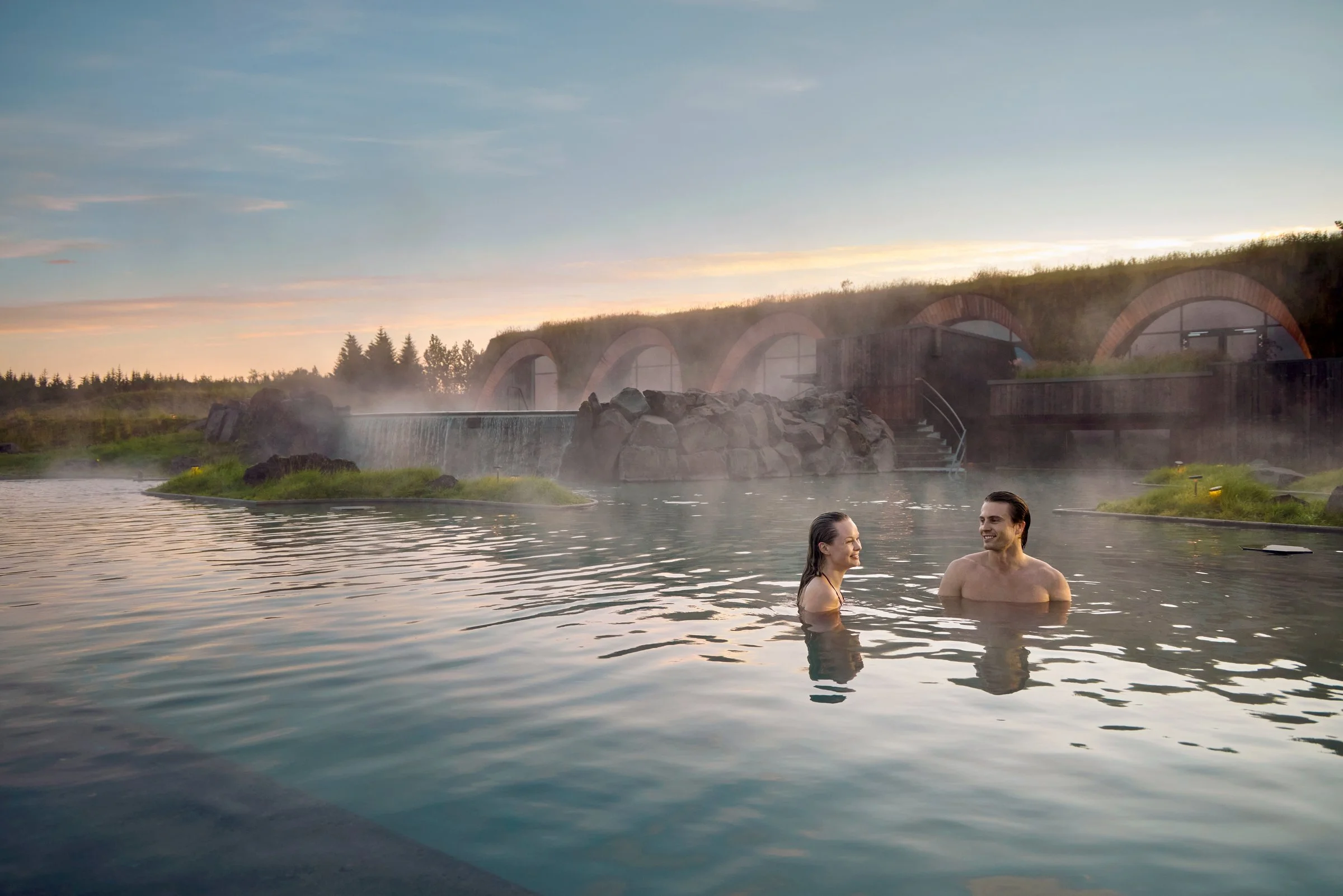
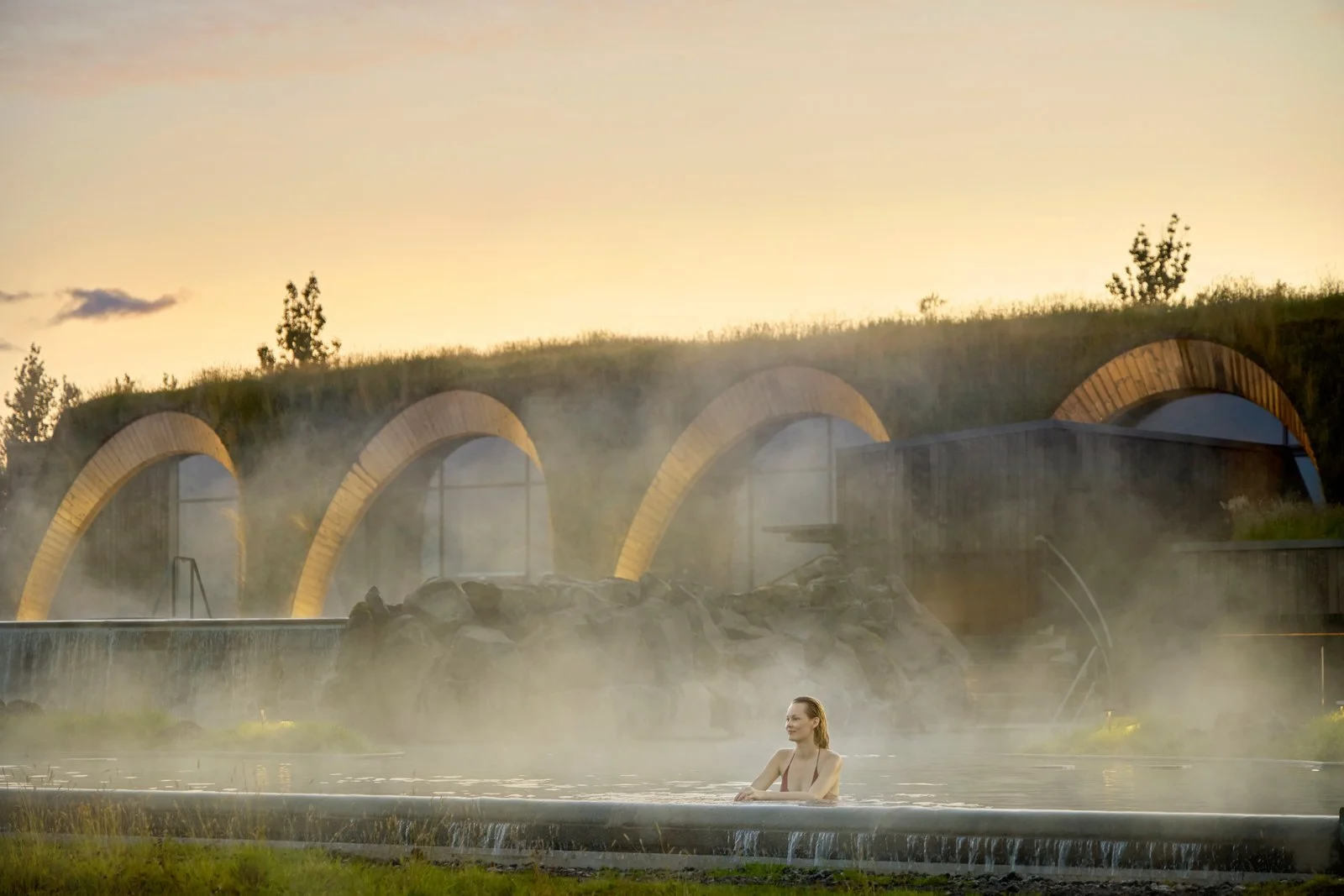
Laugaras Lagoon
Travelers increasingly want trips that offer relief from everyday life. According to the Founder ofGirls’ Guide to the World, Doni Belau, wellness trips signal a change in focus from group experiences to the individual, even if an individual joins a group activity. Per Belau, “Frankly, in the broad spectrum of wellness, the world is your oyster. The selection and variety [are] almost overwhelming, and it speaks to our need as a society to slow down, stop working so hard for a minute, and be present.” Therefore, customizing wellness travel is paramount to its success.
That shift has implications beyond the individual traveler. Wellness travelers spend 41% more internationally and 175% more domestically, and they are 60% more likely to return and travel with the purpose of wellness. To respond to the need for personal well-being, the sector as a whole is undergoing a structural shift from one-off spa experiences to well-planned journeys, all-inclusive stays, and partnering with travel agents, advisors, and concierges for pre-planned wellness stays, movement-based activities, and healthy meals.
Pre-planning reduces decision fatigue, allowing travelers to immerse themselves in an experience instead of continually deciding what to do next. At a micro level, retreat-like activities can even be built around metabolic, fitness, and hormonal data, creating individualized plans that shape experiences. Design is approached with the same intentionality: “discreet design hotels,” blackout curtains, and circadian-tracked lighting for optimal sleep, natural lighting, plants, and other features are becoming increasingly popular. Together, these developments signal a larger transformation: instead of wellness being treated as an amenity or an add-on, it becomes a framework for how to build itineraries, design spaces, and understand the traveler’s experiences.
Trends like Staycations (regional travel for rejuvenation close to home), “homesteading” (returning to the simplicity of nature), and the desire for “structured slowness”(itinerary-loading for wellness) further demonstrate how the sector is adapting to travelers’ changing definitions of well-being.
The Shift from Consumption to Connection: Innovative Global Hotel Models for Wellness Hospitality
As wellness becomes a more integrated part of travel, destinations are experimenting with different ways to meet travelers’ needs for restoration, connection, and personalization. Travelers seeking wellness, they approach new experiences with authenticity rather than an endless to-do list. They also tend to skip the crowds.
How Hotel Groups Are Scaling Wellness
Hotels where design, amenities, movement, and social programming work together to create restorative experiences are becoming the new wellness ecosystems, and hotels that can respond to this trend will thrive. These hotels do not have to be small boutiques. Even larger hotel conglomerates like the Marriott can recreate the intimacy of a boutique hotel by adapting to a wellness model of hospitality. The following are two different adaptive models of how hotels can effectively implement wellness into their hospitality.
Hotel Models: Scaling large hotels into smaller, wellness-focused boutique hotels
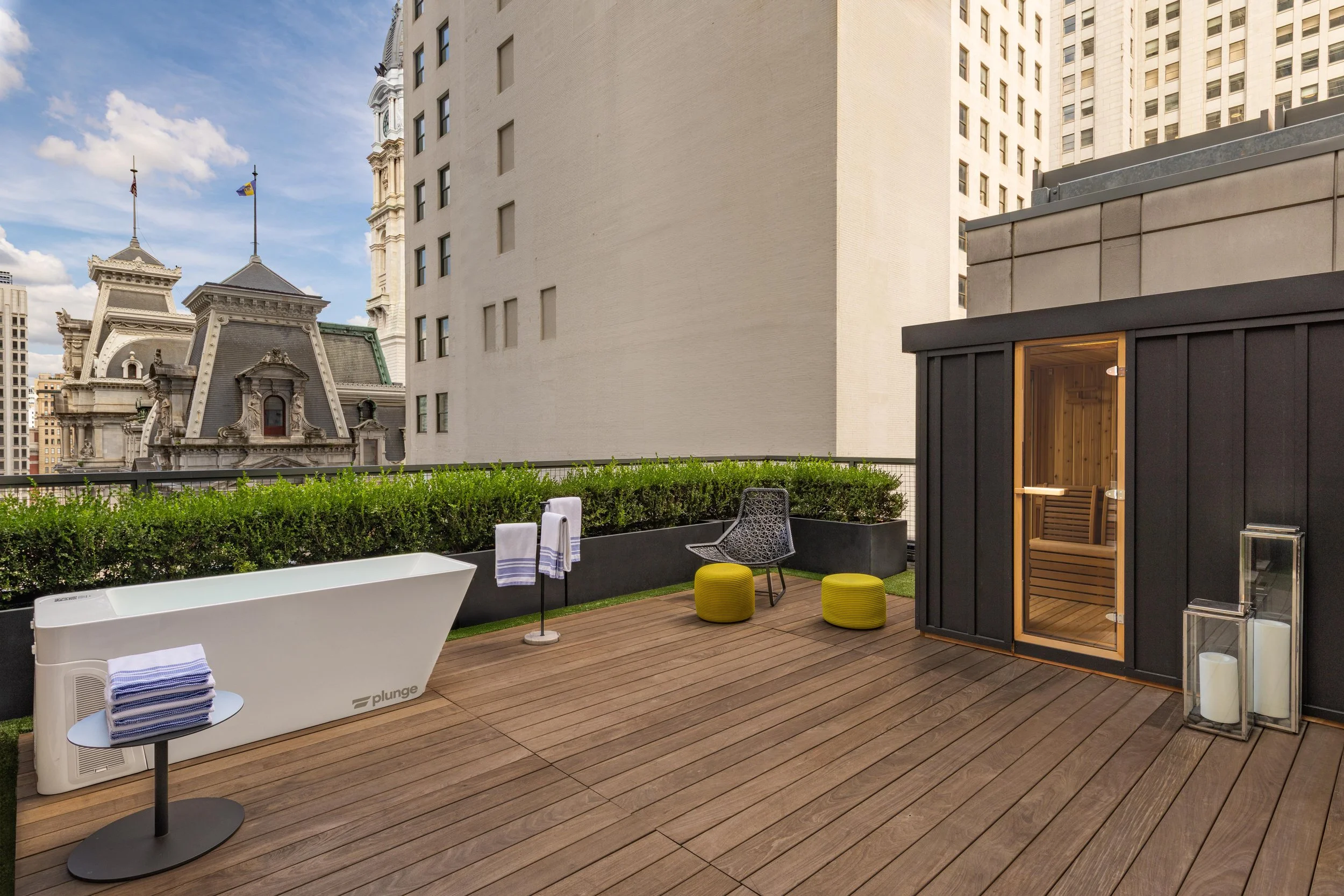
W Philidelphia: FIT Deck, CONTRAST Sauna & Cold Plunge.
The first model is the W Philadelphia, an American upscale hotel chain that is owned by Marriott. On the seventh floor, the building becomes an oasis with a lounge pool with a stand of Coola sunscreen for guests, the Wet Bar, Secret Garden on one side, and their AWAY Spa, fitness center, sauna, and cold plunge on the other. Beyond these amenities, the massage service is experience-based. It starts with a complimentary wellness shot of ginger and citrus to detoxify and curb inflammation, then the guest enters a corridor of bathing areas with an inner private lounge draped in velvety red curtains, blankets, and pillows to enjoy muffins and pastries and a moment of pause. In their operations, a service transforms into something experiential that can be customized to the guest’s preferences. For example, massages can be packaged with facials and additional exfoliation, or even within those services, the W can focus on the guest’s target areas. With every massage service, there’s complimentary access to the sauna and cold plunge that overlooks the Philadelphia skyline. They also have a robust offering of fitness classes and live music activations for the visitor to take part in.
According to the Director of Wellness at the W, Donna Mainiero, “For many guests, wellness is not defined by a single treatment. It comes from the overall structure of the stay and how it supports restoration, balance, and renewal.” That philosophy extends to the spa. “Guests are not necessarily looking for more options,” she says. “They are looking for clearer, more purposeful experiences with tangible outcomes.” The W Philadelphia reflects a broader industry shift: wellness is becoming less about a single treatment and more about designing an environment where every aspect of a guest’s stay supports restoration.
Hotel Models Blending Wellness with Nature
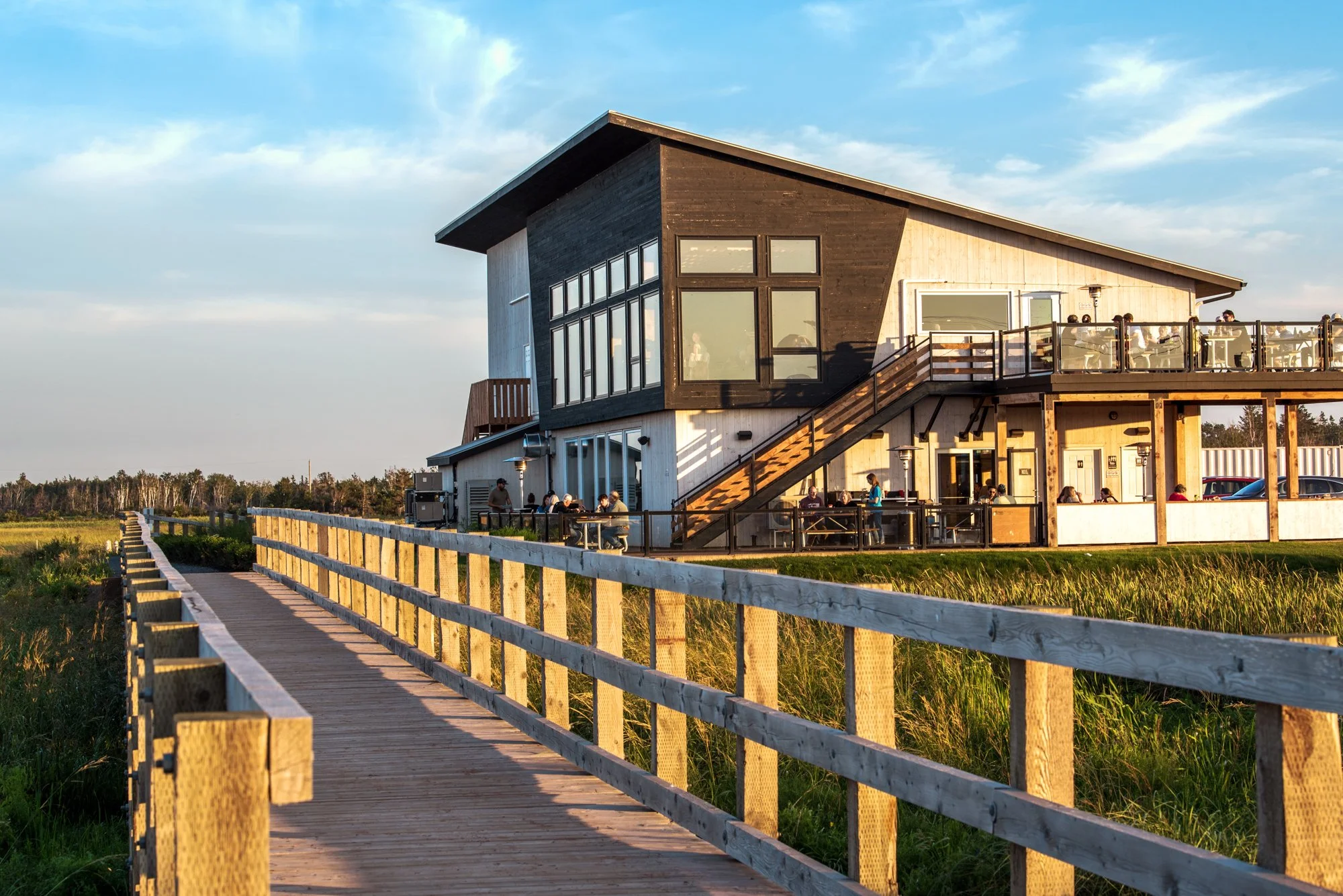
Blackbush Beach Resort. Photo courtesy of Tourism PEI , Paul Baglole
The second model is emerging among smaller destinations: using the landscape itself as the foundation of wellness. The Blackbush Beach Resort on Prince Edward Island is built on the resort being one with the environment in the “Experience Our Nature” philosophy, which naturally dovetails into wellness through robust, customizable experience planning. Instead of being a private resort, it is a place for the convening of visitors, islanders, and all living beings that participate in their ecosystem. Rather than importing a wellness experience into a destination, resorts like Blackbush demonstrate how wellness can emerge from existing relationships between land, food, and community.
General Manager & Director of Sales Ian Cheverie shares, “In this fast-paced day-in-the-life, our goal at Blackbush is for guests to spend at least one day where they don’t feel the need to leave the resort – they can exhale and release, digital detox, and just be truly present with their company, as well as enjoying all the services and experiences that Blackbush offers.” This is supported by the 18+ mainstay hotel, townhouses for families, multiple restaurants like Finn and Fluke, the nearby beachfront, a 24-hour fitness center that has classes, and the concierge services that tailor the guest experience. Cheverie continues, “Guests are looking for experiences that support their individual definition of wellness, whether that’s physical activity, mental restoration, better sleep, mindfulness, nutrition, or simply spending uninterrupted time with family and friends. We’re also seeing growing interest in slower travel, digital disconnection (or detox), and immersive nature-based experiences. Rather than adding more activities, the future is about creating environments where guests have permission to do less, reconnect with what matters most, and return home feeling genuinely refreshed. Sustainability will also become even more closely linked with wellness, as travelers increasingly value destinations that care for both people and the environment.”
Hotel Models Blending Wellness With Culture
The third model centers wellness through cultural continuity, where traditions, storytelling, and Indigenous knowledge systems become central components of the visitor experience. Restaurant La Traite, within Hôtel-Musée Premières Nations, has an array of seasonal food offerings, many of which have medicinal properties. In a Huron-Wendat Community called Wendake, they incorporate cultural and wellness offerings. Musée Huron-Wendat shows how the clans sustained themselves and built community around storytelling. Most notably, Tourisme Wendake created La Hutte de Médecine Étoilé/The Starry Medicine Hut, where visitors can engage in First Nations wellness practices. Offerings include crafting medicine bags, drum-making, sweetgrass braiding, and yoga classes. According to the Marketing Manager at Tourisme Wendake, Dominic Ste-Marie, “They value a personal approach.” He continues, “We see Wendake as a place where our culture is better shared in person, and thus, their offering is very customizable. There is, however, also a robust listing of recurring activities like yoga and ceremonies around the phases of the moon, as these are women-centric ceremonies in the broad Indigenous world and also the Wendat universe itself.”
In Nordic destinations, wellness is less a product category than a cultural philosophy embedded into everyday life. Finland, Sweden, Iceland, and Norway are considered the world’s happiest countries. They all incorporate wellness as a way of being, and many third spaces accommodate that. Up Norway, a sustainable luxury travel company, translates the Norwegian lifestyle through bespoke experiences. They build itineraries in which 99% of the itineraries are customized. One of the most popular experiences that they offer is their Wellness Travel Journey that takes place across Denmark, Sweden, and Norway. Initially, travelers experience geologic marvels and spend time at a spa, including underwater saunas. From there, the most unique aspect of the experience is how sleep therapy is integrated into the trip. In collaboration with Oslo Sleep Clinic, a full night’s sleep is facilitated for participants, which then leads to walking and on-water experiences that optimize a restful state. After this, participants are encouraged to disconnect from their daily life by communing with nature through visiting rural fjords and gastronomy experiences. All of these experiences are what they call an embodiment of soft adventure, which ties back to the itinerary-forward wellness trends.
Even within the Laugarás Lagoon in Iceland, they combine geothermal-heated infinity pools, saunas, a cold plunge, and a hot tub with gastronomy and artisanship. They recognize that the wellness traveler looks at all these factors holistically. At the entrance of the Lagoon, T.ark Architects built a remix of traditional Icelandic turf dwellings by making this destination an oasis within a meadow. They erected “a grass-covered roof with large parabolic archways that reference the region's ancient cave dwellings.” The organic shapes and textures continue into the interior with clay-molded walls and organic matter-derived lampshades from Anthony Bacigalupo’s creative wellspring. With the food, Chef Gísli Matt continues the atmospheric storytelling at Ylja restaurant. There he gathers hyper-local ingredients from Laugarás village. Matt says, "The Laugarás area has such a unique character - the possibilities with geothermal heat are inspiring.” Following the pace of the lagoon, during the day guests can enjoy light fare, two-course seasonal offerings, and a soup board with salad. At night, the restaurant becomes a fine dining destination where local ingredients shine in a heavier meal after relaxation. The menu is tailored and enhances a special trip to the lagoon during the seasonal Northern Lights viewing.
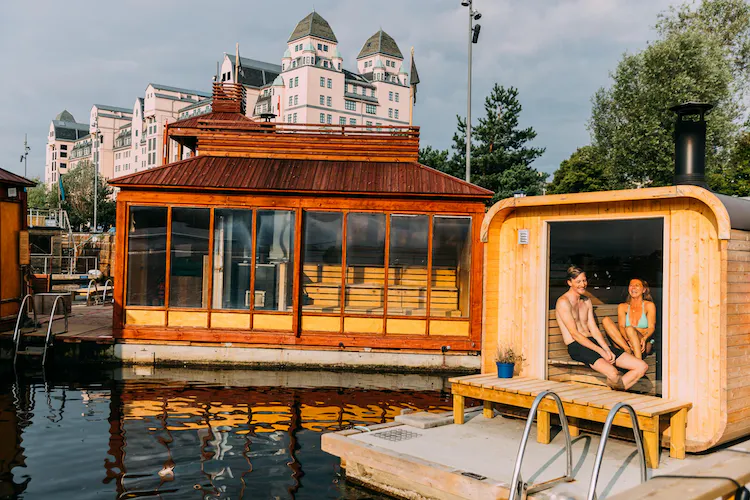
Photos left to right: Up Norway by Aron Klein Photography, Laugarás Lagoon
How Destinations Can Design Better Wellness Experiences
Tip 1: Design the Journey, Not Just the Destination
As travelers seek relief from decision fatigue, the itinerary becomes part of the wellness experience. When building experiences, travel curators Tourism PEI and Up Norway create itineraries that are iterative, where one experience adds on to the next. Especially with Tourism PEI, they follow the pattern of arrival, decompression, one anchor meal, one nature ritual, and one wellness block. This is then repeated over the course of the trip. Combining a sense of routine and experimentation is the sweet spot of itinerary planning.
Tip 2: Take Risks for the Sake of Soft Adventure
Wellness travelers are always looking for cutting-edge techniques or experiences that may be a bit outlandish to carve out peace through travel. In “The Pursuit of Happiness,” in Travel Weekly, tourism boards like Visit Finland have devised campaigns like Chill Like a Finn, including an array of activities from Finnish lifestyle and landscape, and Japan offers 30-minute relaxation sessions in cushioned burial coffins. While the latter may be shocking, it shows just how far destinations will go to take risks in support of wellness.
Tip 3: Extend Wellness Beyond the Hotel Stay
Wellness travel increasingly begins before travelers arrive at their destination, with companies expanding the wellness ecosystem into the journey itself. As they set up their plans, they are increasingly turning toward a more holistic approach that starts at home. Travel supplements emerged as one response to this demand. Swiss airline partnerships helped pioneer this category by working with the Zinopin brand in 2003, with companies developing formulas addressing travel-specific challenges such as circulation, jet lag, and immune support. Even the CDC has published an article on supplements and natural remedies that help fight travel-related colds, altitude sickness, motion sickness, and more. Companies like TravelSana are on the rise to respond to this trend. While there is no concentrated research on how many take supplements before, during, or after travel, wellness beyond the resort or retreat is becoming an important part of travel.
What’s Next for Wellness Travel?
What seems to be an oversaturation of experiences caters to demand for individualistic travel. Guests don’t want elaborate stays and programs; they want peace. Wellness will become even more important because of the realities of climate change and pollution. For instance, with recent wildfire smoke in the air, people are likely to want to retreat to fresh air. Therefore, most parts of travel will have a focused wellness component to it, which is deeply tied to sustainability, whether travelers acknowledge it or not. Eventually, wellness will become synonymous with travel.
About the Author
Chenoa Baker is a curator and adventurous writer who works across travel and culture. Currently, she is co-developing an inaugural public art festival in Calgary and curating Ifé Franklin: Orun/Portal at the Fuller Craft Museum in 2027. Previously, she has worked with The Studio Museum, Boston Public Art Triennial, Denver Botanic Gardens, and Fallingwater. Her internationally recognized writing has appeared in Hyperallergic, The Observer, The Brooklyn Rail, and Go World Travel (forthcoming), syndicated with MSN.