
Inside Bhutan’s Bold Strategy to Fight Overtourism: High Value, Low Volume Travel
Over 50 years ago, an unknown Kingdom in the Himalayas quietly opened its doors to tourism after centuries of isolation. That same year, ABBA won the Eurovision song contest, the first Terracotta Warriors were discovered in China, and scientists in Ethiopia found the first skeleton of a 3-million-year-old human ancestor that walked upright. It was a pivotal year on planet Earth and one that catapulted a previously isolated nation onto the world tourism stage. Bhutan invited travelers to cross its Himalayan-cloaked threshold—but on its own terms, with a remarkably progressive ‘High Impact, Low Volume’ policy. This tourism model has guided the nation, making it one of the most coveted, mysterious, and exclusive travel destinations in 2026. At the same time, it showed what sustainable tourism looks like and how Bhutan can serve as a framework for countries struggling with mass tourism.
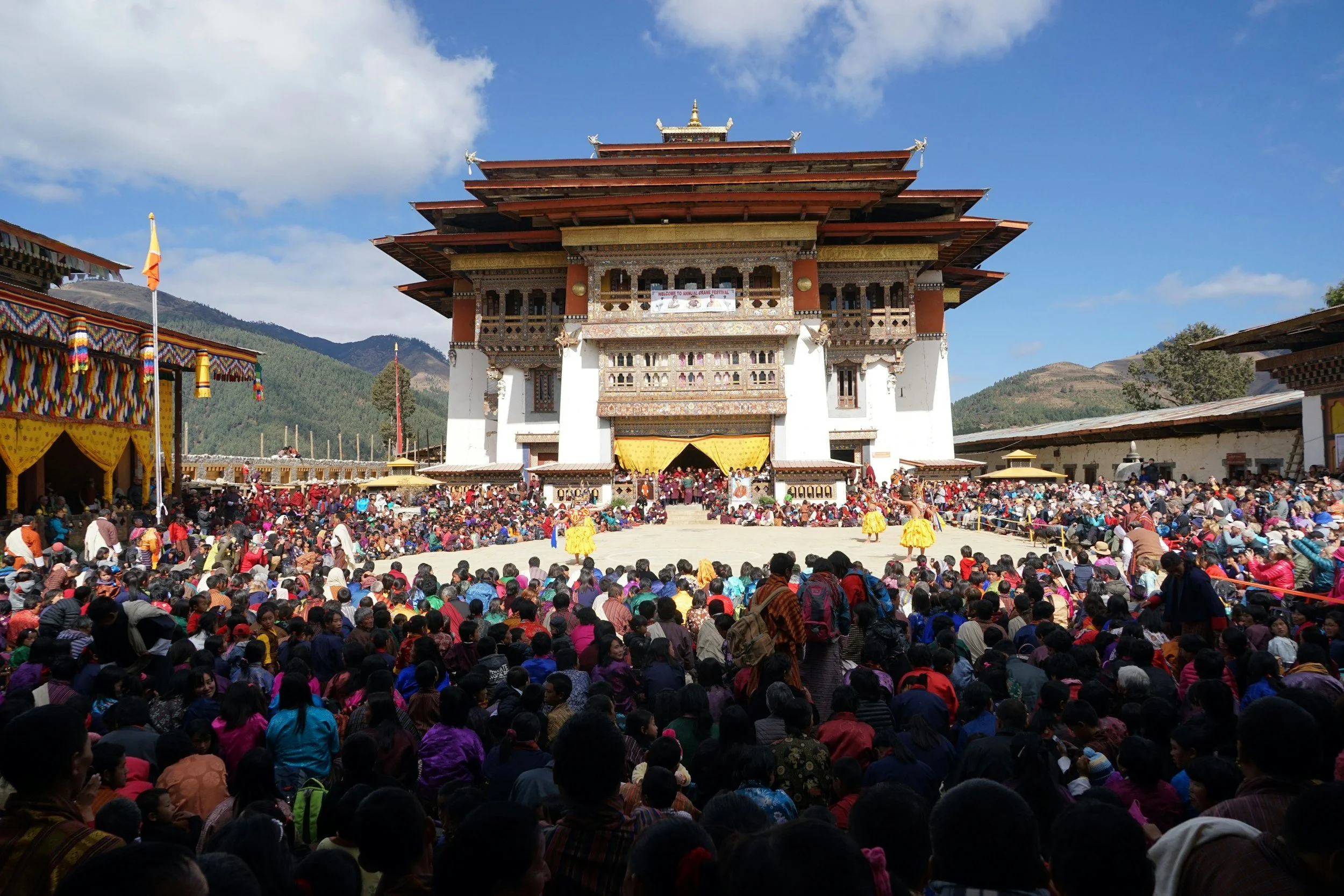
High Impact, Low Volume
Bhutan’s ‘High Impact, Low Volume’ model prioritizes quality and impact over quantity and economic gains. It is defined by a daily Sustainable Development Fee (SDF). Currently, the fee is $100 USD per person per night for most international visitors and $13.60 USD per person per night for Indian travelers. Rooted in the ethos of Gross National Happiness, the SDF funds sustainable, long-term opportunities for the Bhutanese. Money goes to healthcare, education, infrastructure, and upskilling the tourism and hospitality industry. Every traveler, by default, supports Bhutan’s well-being and progress. During their stay, it is mandatory for visitors to explore with a local, licensed guide and driver. This ensures cultural respect and authentic engagement with communities.
Tourism now functions as an essential pillar of Bhutan's economy. In 2025, 209,376 tourists arrived bringing USD 43.31 million in SDF earnings. By choosing positive socio-environmental impact and conservation as key performance indicators, Bhutan reframes conventional approaches to tourism. The nation’s commitment to quality over quantity serves as empirical support for the idea that intentional policy choices can yield dual economic and cultural benefits, not always correlated with tourist numbers alone.
The Good, The Bad, and the Evolution
On paper, Bhutan is a Mecca for many things, known at first glance for Gross National Happiness (GNH), monasteries drifting amongst the clouds, viscerally spicy local cuisine, and a sense of time that transcends the business of the rest of the world. Its image to the outside is carefully curated, portraying the best of the nation and the experiences a traveler can have, a portrait that is full of truth but also contains gaps in reality.
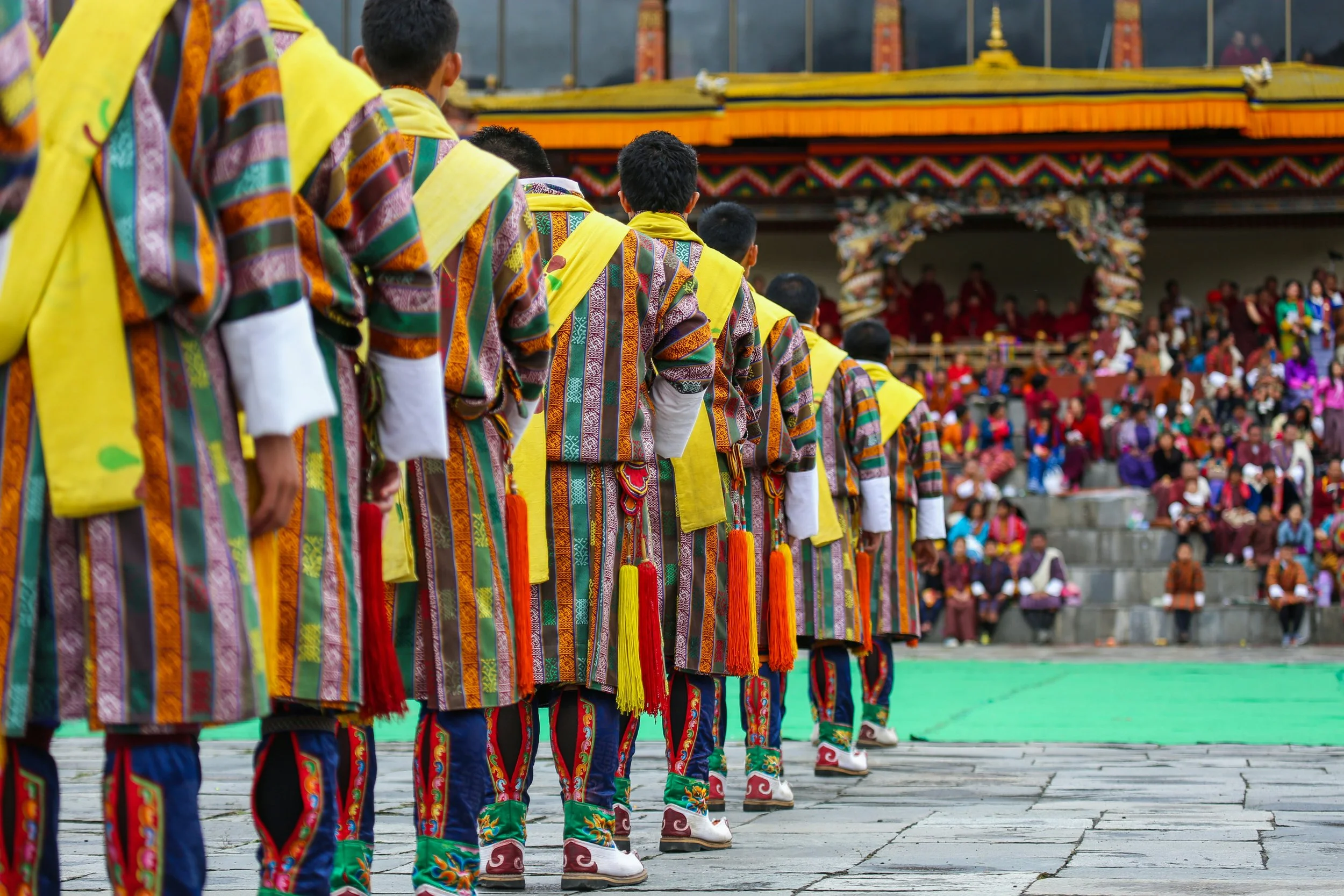
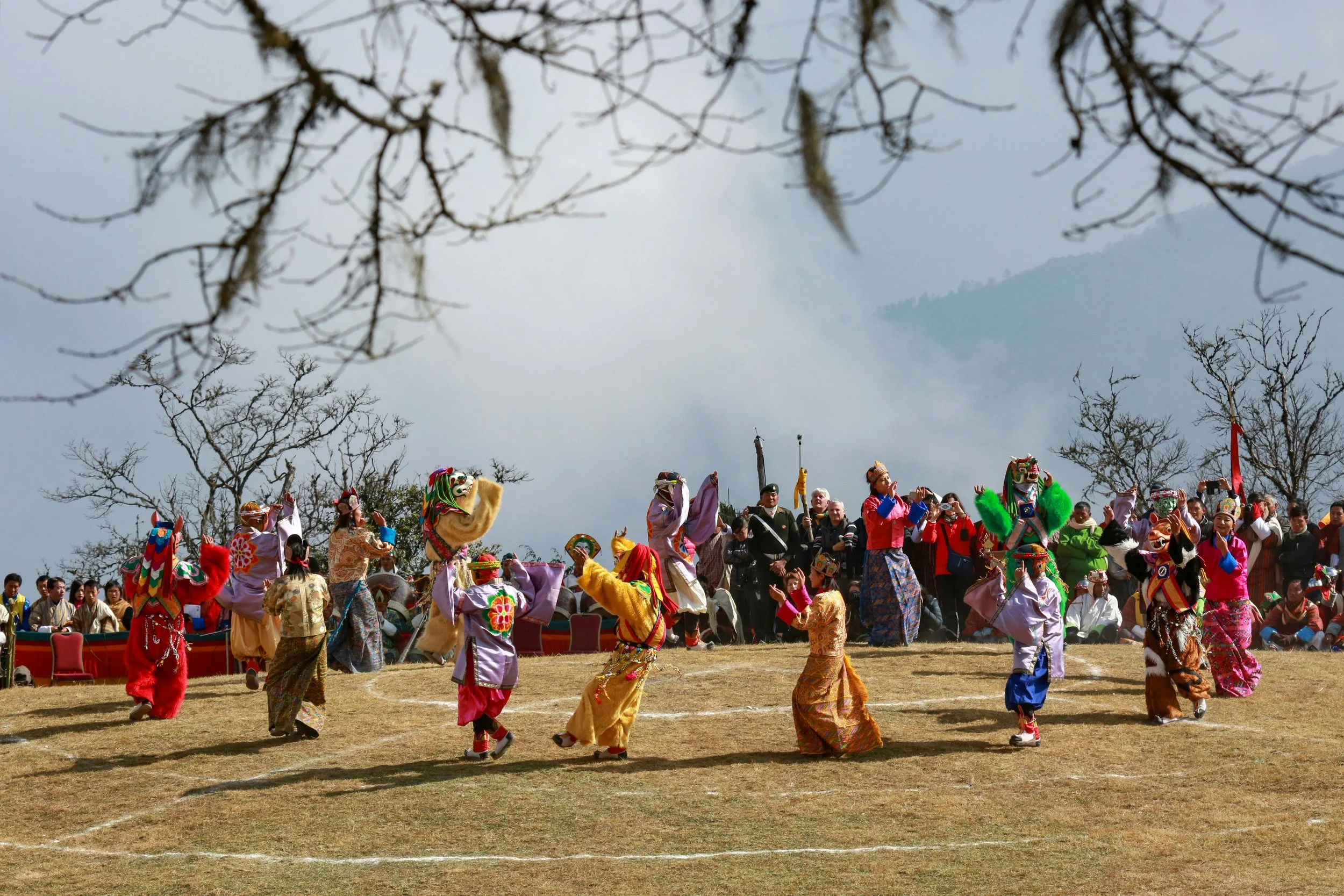
Bhutan’s model has succeeded in keeping the nation out of the heat of overtourism and in protecting its natural environment and culture. It remains the only carbon-negative country in the world, with 70% covered by dense forests. Biodiversity thrives across multiple biomes that make Bhutan so unique, from the stark highlands of Laya to the sweaty jungles of Manas National Park, which trail into Indian flatlands at the southern border. The culture, although always changing and evolving thanks to the rapid rise of the internet and the mass adoption of TikTok (with a passion, I might add), is distinctly un-Westernized. Only a handful of digital-nomad-esque cafes have graced the major cities of Thimphu, Paro, and Phuentsholing, and cultural values and traditions remain much as they were centuries ago. You won’t find McDonalds or Starbucks here, and the largest mall doesn’t breach more than three stories tall. Every district in Bhutan celebrates its annual festival, or Tshechu, each year, showcasing masked dances that honor the Buddhist roots and legends that make this Kingdom so special.
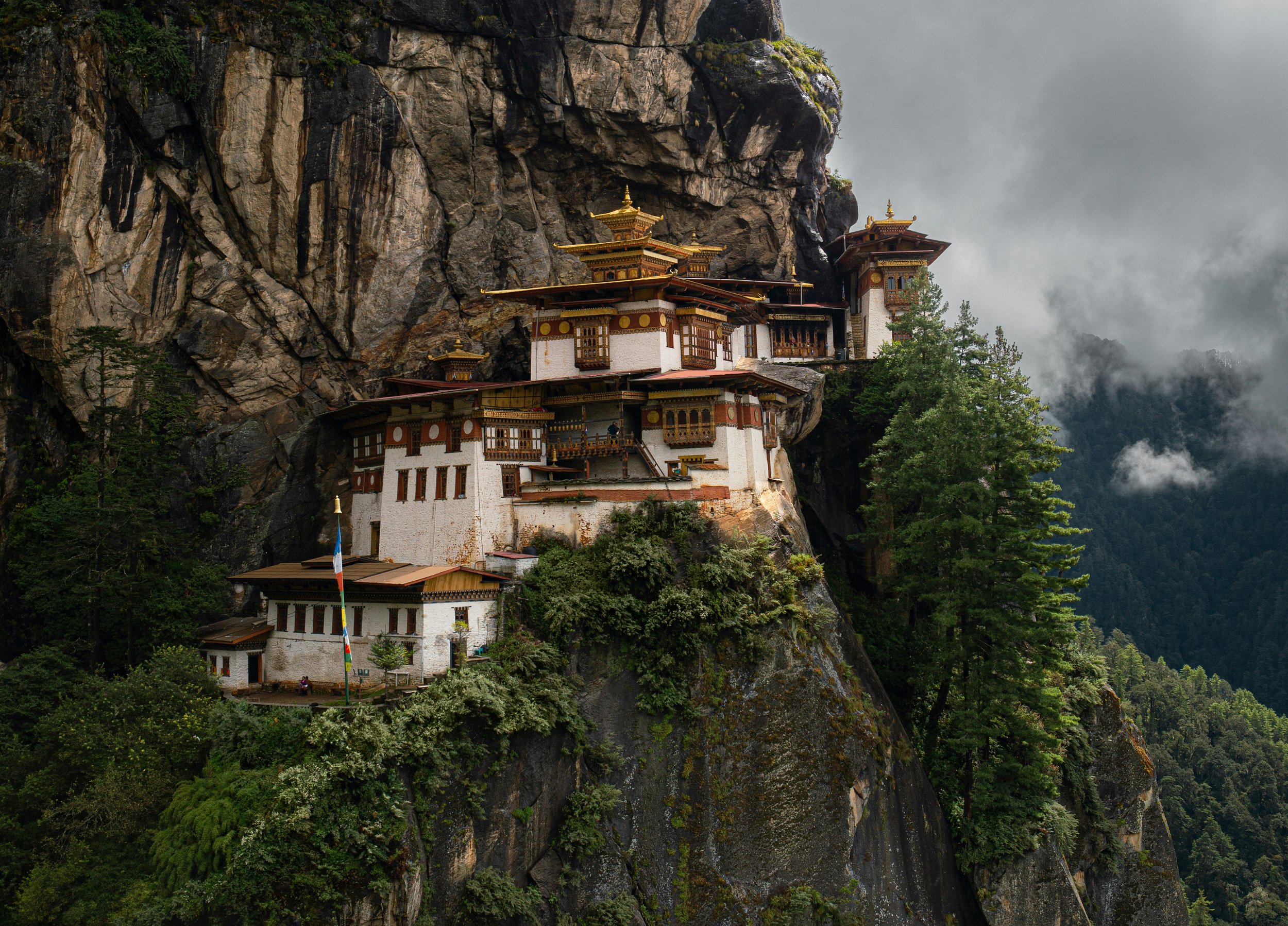
Bhutan’s tourism framework creates a wheel of value: pristine nature, incredible trekking, and a deep, rich culture piques visitors' interest. By shaping tourism on its own terms, rather than the status quo, the nation has enhanced its unique selling proposition and strengthened its exclusivity.
However, it's important to note that the emphasis on ‘low volume’ has been so effective that the country struggles with low tourist numbers to a critical degree, particularly during the off-season. In 2025, Bhutan’s tourism revenue was only 6.5% of neighboring Nepal's, which generated $660 million. In a nation where Gross National Happiness takes precedence, the economic reality is harsher. In recent years, more than 9% of the country’s citizens, around 65,000 people, have left to find work and build a life elsewhere. Tourism, agriculture, and hydropower account for the majority of Bhutan’s GDP, but these sectors can only expand so far. The economic reality of stringent daily tourism fees is felt by the same citizens it simultaneously benefits.
So far, policymakers have gambled on Bhutan's image as an exclusive destination for the cash strapped, adventurous and mindful traveller willing to go deeper, and it has paid off. But in the decades to come, what will this tiny Himalayan nation do to stop outward migration and build sustainable industry within its borders? Enter the Gelephu Mindfulness City, a royal project and special administrative region envisioned by His Majesty the King to bring commerce, innovation, and ideas back to the Kingdom- once again, on its own turf and terms. Currently under construction in the southern Gelephu region, GMC will be just what it sounds like: a city steeped in mindfulness, a product of the interwoven threads of Buddhist philosophy and modern ideation. It is envisioned as a place where peaceful prosperity can thrive alongside economic growth. The nature-integrated design and emphasis on cohabitation with the environment would be entirely at home in a fantasy book or sci-fi film. The GMC international airport is set for completion by 2030.
Sustainable Tourism Around the World
Bhutan’s approach stands out in Asia. It shows how policy can curb overtourism and promote sustainable travel, proving that clear, proactive regulation can balance growth and preservation. Each nation must chart its own course, but Bhutan’s core philosophy offers valuable guidance, that tourism works best when impact is prioritized over volume. Here are similar examples from around the world of countries that have taken up sustainable tourism policy with gusto:
COSTA RICA:
Deeply associated with sustainable tourism, Costa Rica is one of the ringleaders when it comes to keeping a traveler's experience eco-friendly. Over 25% of its land area is protected, and 99% of its electricity comes from renewable sources. Standout policiesinclude the Payment for Environmental Services program, which rewards landowners for forest preservation, and regional development clauses that decentralize tourism to 32 development centers to improve local communities' quality of life.
ICELAND:
Small but mighty, Iceland takes its sustainability seriously, a necessity given the number of visitors per annum compared to residents: a whopping 6:1 ratio. 85% of its power is sourced from geothermal and hydroelectric energy, and in recent years it has heavily championed a“Leave No Trace” campaign that limits visitor access to fragile volcanic zones and glaciers.
NEW ZEALAND:
The home of The Lord of the Rings and as magical as Middle-earth itself, New Zealand asks travelers to uphold an ancient relationship with its land and communities through a Tiaki Promise. “Care for New Zealand” is a nationwide code urging travelers to act as guardians of nature.
KENYA:
Home to the fragile and beautiful Maasai Mara and grasslands, Kenya’s tourism governance is widespread. Policies include strict bans on single-use plastics in protected areas and eco-certification programs for lodges. Climate resilience programs for carbon management and mandatory community engagement keep local economic empowerment strong. These efforts help Kenya thrive as a top tourist destination.
Make your Mark Without Leaving a Trace
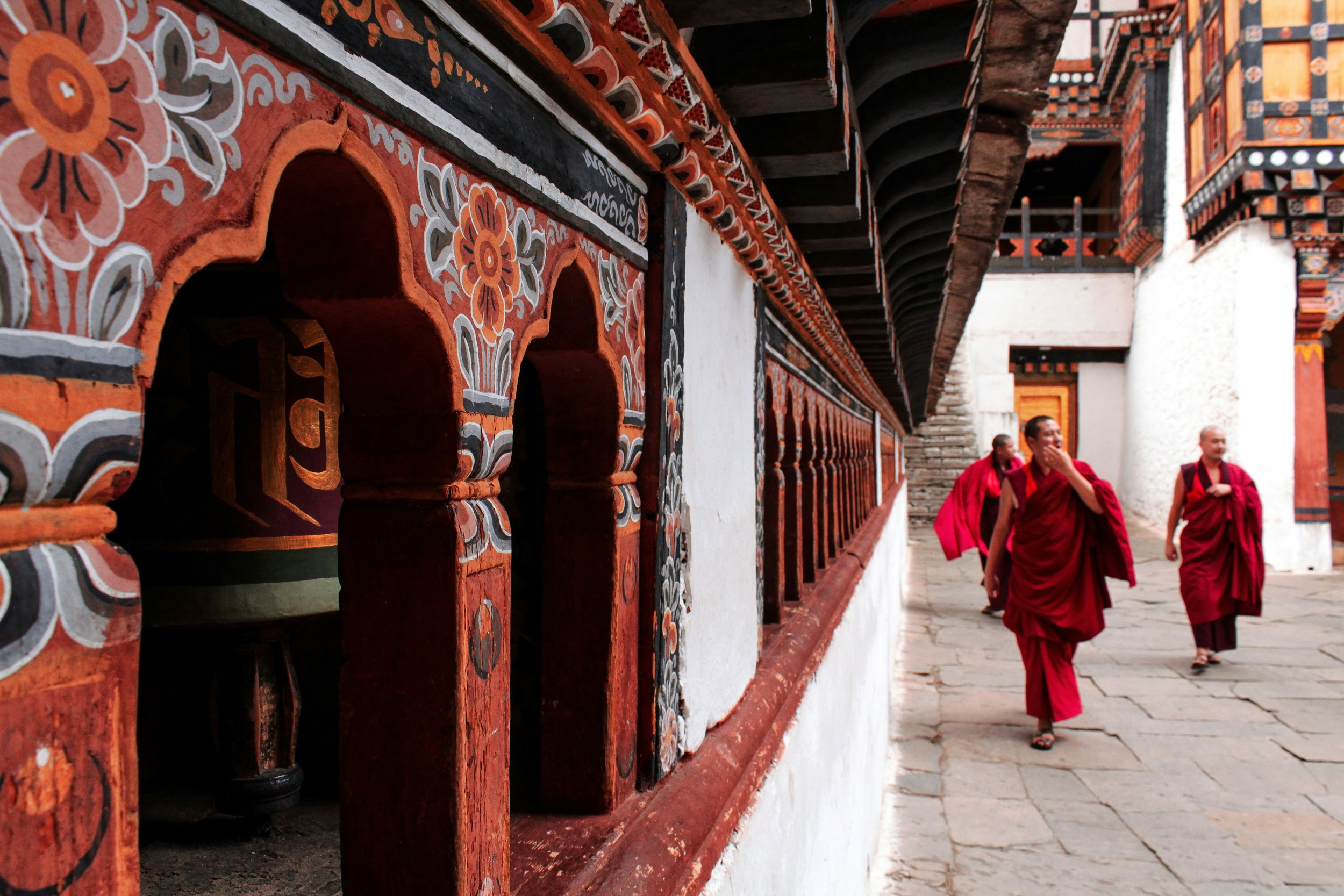
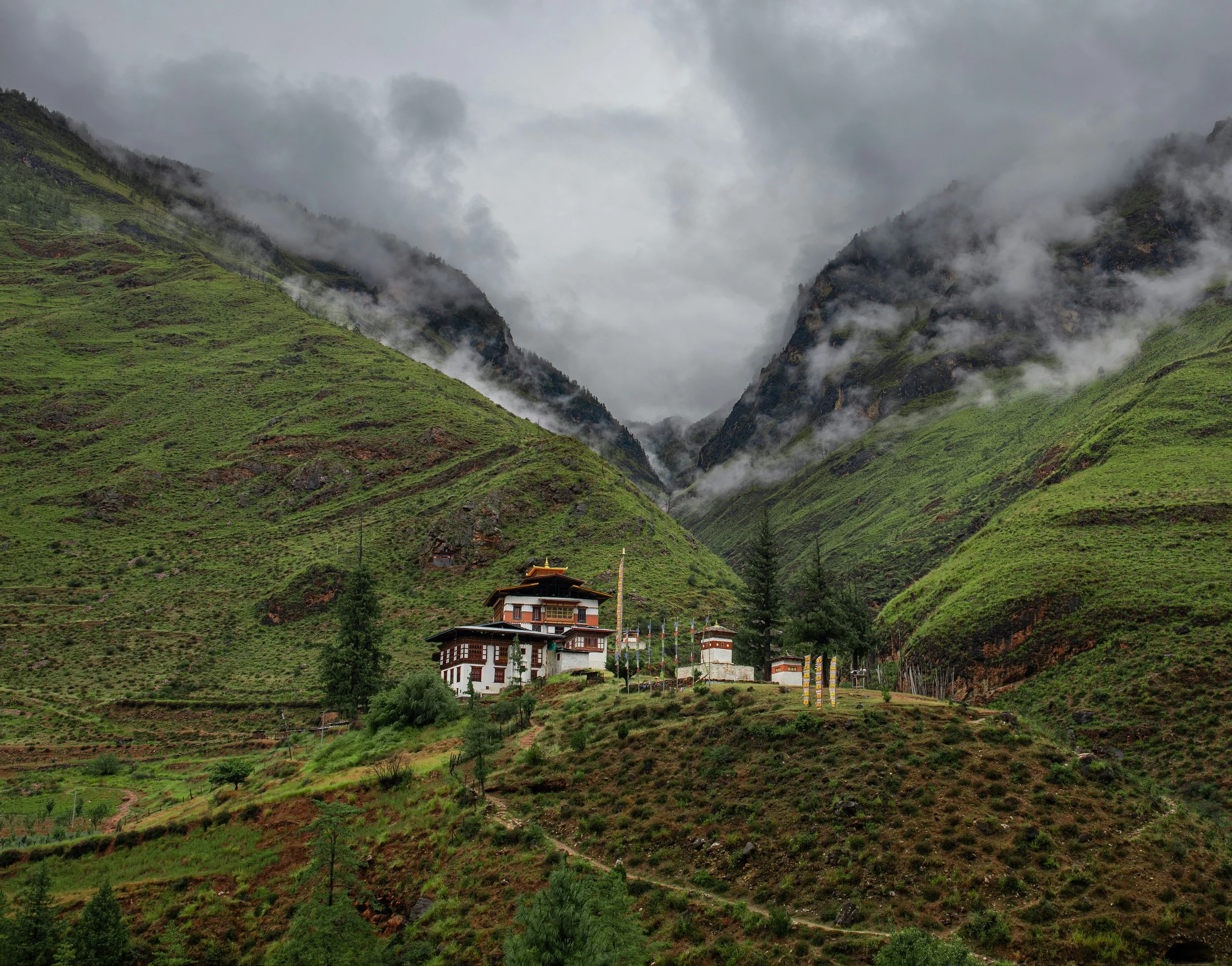
Sustainable tourism is not only an ideological necessity but also an economic one, with the industry expected to compound annually at 16.26% between 2026 and 2034, potentially reaching $665 billion to $829 billion by 2030-2035. Turns out, a healthy planet creates a healthy economy (we are all shocked), and powers the salvation of pristine environments and culturesetchched into the seams of centuries. For Bhutan, the future is bright as tourist arrivals rise each year and the prospect of the Gelephu Mindfulness City creates a torrent of interest from abroad. Each visitor to the Himalayan Kingdom leaves a positive mark by design, departing with an assured sense of having contributed to something much larger than themselves. Travelers leave with a legacy of giving back as much as they have received, and doing so with respect and honor for the guardians of this tiny corner of the world.
ABOUT THE AUTHOR:
Cate is a communications officer and media consultant with formal training in anthropology focused on sustainable tourism and storytelling. She has studied and worked across three continents and is a coffee addict, book nerd, and blossoming travel writer. She currently lives in Bhutan.