
Why Climate Literacy Must Become a Core Part of Tourism Strategy in 2026
“What you do makes a difference, and you have to decide what kind of difference you want to make,” wrote Jane Goodall, emphasizing a truth the tourism industry can no longer afford to treat as optional.
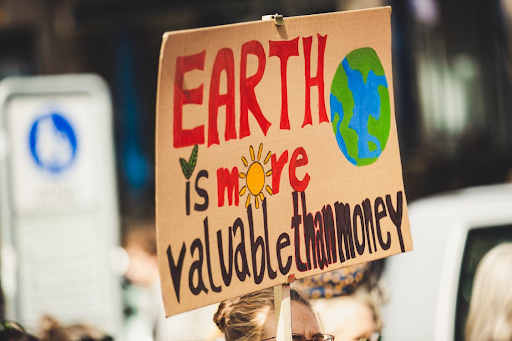
Photo: Markus Spiske, Pexels
Climate disruption is no longer a distant environmental concern for the tourism industry; it is operational, financial, social and very much real in many aspects. Floods disrupted European cities, wildfires reshaped North American travel seasons, coral bleaching altered tropical coastlines, and extreme heat shifted visitor flows in desert destinations. Yet much of tourism marketing still trades on permanence and surface-level messaging.
Today, all around the world, the central tension is clear: lived climate reality is accelerating, while industry storytelling often remains static. It’s high time that climate literacy moves from the margins of sustainability language into the core of tourism strategy, like influencing planning, messaging, investment and risk management.
The Messaging Gap Between Climate Reality and Marketing
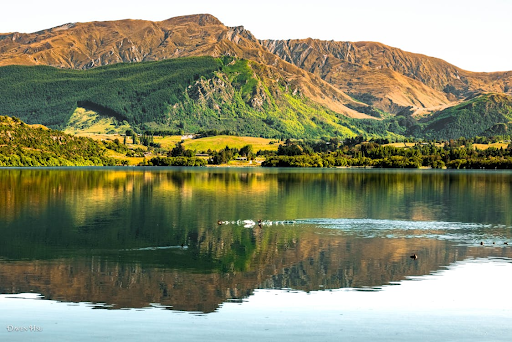
Daven Hsu, Pexels: Scenic Lake and Mountain View in New Zealand
In Europe and North America, ski destinations across the Alps and the Rocky Mountains face shorter snow seasons and rising snow-making costs. Artificial snow is often framed as technological progress rather than a symptom of climate stress. Marketing continues to promise “reliable winter wonderlands,” even as season predictability declines and water-energy demands intensify.
In small island contexts such as the Maldives and parts of the Caribbean, sea-level rise and coral bleaching are no longer theoretical. Resorts invest in desalination, renewable energy installations and carbon offset programs, yet rarely address aviation emissions or long-term ecosystem vulnerability in their public narratives. Interestingly, sustainability is presented as a set of amenities rather than as a structural adaptation.
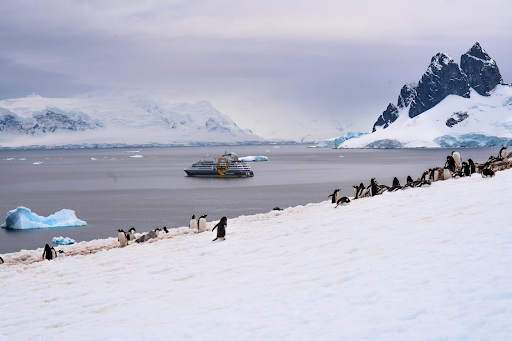
Jan Tang, Pexels: Cruise tourism in Antarctica
On top of this, polar cruise tourism in Antarctica illustrates another tension. Melting sea ice opens new routes, and climate change becomes part of the spectacle. “Last chance tourism” framing can turn a crisis into a commodity, with limited engagement around cumulative ecosystem impacts or ethical access limits.
Meanwhile, desert destinations in the Middle East and the southwestern United States continue to promote year-round sunshine, even as extreme heat days cross safety thresholds. It is also often seen that cooling technologies and architectural innovation are marketed as solutions, but long-term water and energy viability remain sensitive topics in public-facing communication.
Across these contexts, the issue is not the absence of sustainability initiatives. It is the absence of climate literacy: the ability to contextualize adaptation, uncertainty, and limits within transparent travel storytelling.
Emerging Models: Where Climate Literacy is Taking Shape
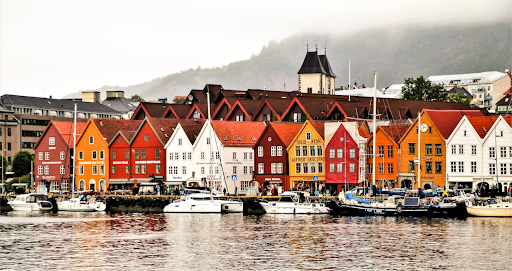
Marcelo Camargo Santos, Pexels: Norway
Many destinations are now beginning to embed climate awareness more structurally into tourism strategy.
In New Zealand, tourism discourse has gradually shifted from idealized branding toward regenerative frameworks. Campaigns linked to initiatives such as the Tiaki Promise encourage visitors and residents to take responsibility for caring for New Zealand’s people, places and culture today and for future generations.
It encourages acting as a guardian (tiaki) by traveling safely, protecting nature, keeping the country clean and respecting local culture. The language increasingly acknowledges ecological limits and community wellbeing rather than simply reinforcing pristine imagery.
In Scotland, institutional strategy has taken a more formalized turn. VisitScotland has embedded climate targets within its Destination Net Zero framework, positioning climate action as central to competitiveness and long-term viability. This landmark regulatory system features a global fuel standard reducing greenhouse gas (GHG) intensity over time, alongside a pricing mechanism to reward low-emission ships and fund green technology.
In the Scottish Highlands, visitor messaging increasingly addresses erosion, overtourism pressures and conservation funding transparently by inviting travelers to participate in climate stewardship.
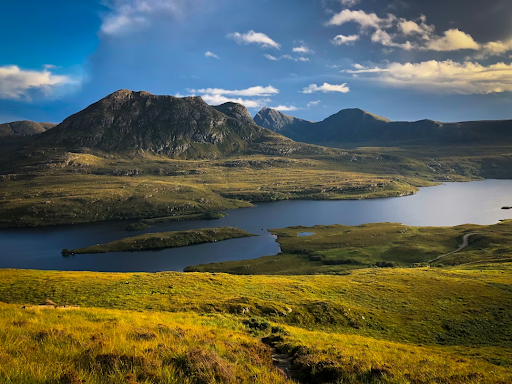
Murilo Gomes, Unsplash: Scottish Highlands
Further, Costa Rica continues to demonstrate how conservation caps, protected areas and long-term biodiversity narratives can align tourism with non-negotiable ecological boundaries. Here, climate adaptation is carefully integrated into protected area management and infrastructure planning rather than showcased as a marketing add-on.
In Norway, tourism authorities are strongly focusing on slow and seasonal travel, alongside discussions around electric ferries and transport decarbonization. Climate communication is increasingly tied to structural change rather than solely to individual traveler behavior.
Pioneers like the MF Ampere (2015) and Bastø Electric (2021) reduce emissions, noise and operating costs, and follow strict environmental regulations.
Also, across several Pacific island nations, tourism boards have become active and are now speaking openly about climate vulnerability and resilience. These examples do not represent perfection; rather, they recognize that credibility and long-term competitiveness are intertwined.
From Sustainability Claims to Climate Literacy as Strategy

Porapak Apichodilok: Climate literacy goes a long way in tourism
For a trade audience, the question is not abstract ethics; it is strategic alignment. Climate literacy in tourism means three things. First, understanding the science and its operational implications, like seasonal shifts, infrastructure redesign, workforce exposure and community adaptation. Second, communicating uncertainty and limits with clarity rather than euphemism. Third, preparing travelers for changing realities, like altered seasons, conservation fees and capped access, without defaulting to alarmism.
In 2026, this shift is no longer optional. In present times, Earth Day campaigns and sustainability messaging are no longer sufficient. Climate considerations must shape crisis communication, capital expenditure, marketing calendars and media partnerships.
Destinations that continue to frame greenwashing and climate impacts as success “events” risk reputational erosion as travelers encounter visible contradictions on the ground. Conversely, destinations that articulate trade-offs and shared responsibility may find that transparency builds trust rather than deterring demand.
Today, travelers across the world are increasingly climate-aware, even if their behavior does not always align perfectly with their values. For brands and DMOs, the competitive edge may lie less in claiming carbon neutrality and more in demonstrating climate competence.
Tips for Avoiding Greenwashing in Tourism
BE SPECIFIC, NOT VAGUE
Replace broad claims like “eco-friendly” with clear, measurable data, like emissions reduced, water saved, conservation funding or community impact.
ACKNOWLEDGE THE FULL FOOTPRINT
Do not highlight on-site initiatives alone; address wider impacts such as transport emissions, supply chains and resource use.
BE TRANSPARENT ABOUT TRADE-OFFS
Adaptation measures like snow-making, desalination or cooling systems should be framed as responses to climate stress, not just innovation.
AVOID OVER-RELIANCE ON OFFSETS
Carbon neutrality claims should not replace efforts to reduce actual emissions.
ALIGN MESSAGING WITH ACTION
Sustainability communication must reflect operational reality and verifiable progress.
PRIORITISE CLARITY OVER PERFECTION
Honest, evolving efforts build more trust than polished but incomplete narratives.
From Green Promises to Grounded Credibility
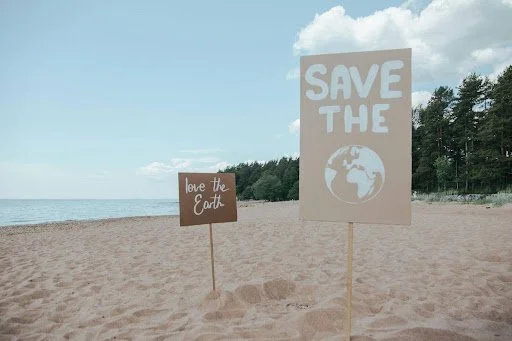
Ron Lach, Pexels: One Earth is all we have
The next phase of tourism will not be defined by who speaks most loudly about sustainability, but by who integrates climate literacy most coherently into their tourism strategies.
In a warming world, the promise of timelessness is harder to sustain. The industry’s opportunity in 2026 is not to abandon aspiration, but to anchor it in reality by acknowledging fragility, environmental challenges, adaptation and shared responsibility.
Climate literacy is no longer a communications layer. It is a strategic foundation for destinations to market themselves. Destinations that recognize this shift may find that honesty, not perfection, becomes the new currency of trust.
ABOUT THE AUTHOR
Deeksha Sharma is a travel enthusiast, a passionate writer, and a storyteller who loves sharing local stories about conscious travel, communities, and culture. She’s a senior storyteller and editorial co-lead at Postcard Travel Club, a global media company fostering a community of conscious travellers. She was also recently nominated for the Regenerative Travel Impact Awards – Storyteller of the Year 2024 by Regenerative Travel. With her new book launched at the New Delhi World Book Fair in 2025 by the National Book Trust of India (Ministry of Education), Deeksha is helping shape the narrative around tourism’s role in cultural preservation and sustainable development. In her award-winning blog, Story Happens, she aims to bring underrepresented voices and traditions to mainstream audiences. In addition, she loves to practice mindfulness, read and write poems, go for long walks, especially in the evenings, and enjoy sunsets.