From Timber to Tourism: The Transformation of Neltume and Huilo Huilo Into One of Chile’s Leading Eco-Destinations
Once a rugged logging outpost deep in Chile’s Lake and Volcano District, Neltume and its neighboring villages have transformed into thriving gateways for conservation and ecotourism. Today, the same forests once felled for timber are protected and celebrated within the Huilo Huilo Biological Reserve—a powerful model of regeneration in the Patagonian Andes.

The natural beauty of Huilo Huilo astounds. Photo by Hassen Salum
Cradled in the heart of Chile’s Lake and Volcano district, lie the three small villages of Neltume, Puerto Fuoye, and Panguipulli, where the Andes rise steeply above emerald valleys and glacial lakes. The region is surrounded by ancient Valdivian rainforest, a lush world of towering coigüe trees, thick mosses, and rushing waterfalls. Here, mist often drifts through the mountains, giving the landscape a wild, almost enchanted atmosphere.
This area is also the gateway to the Huilo Huilo Biological Reserve, one of southern Chile’s most remarkable nature destinations—a vast private conservation area tucked into the Patagonian Andes near Neltume, in the Los Ríos Region. Covering more than 100,000 hectares, it was created in 1999 to protect the unique ecosystems of the Valdivian temperate rainforest, one of the most diverse and ancient forests on Earth.
Yet this haven wasn’t always so pristine. Once a bustling logging hub, the area’s magnificent forests were nearly stripped bare. “For a long time in this place, our religion and tradition were cutting down trees,” said Pacho Duarth, a local guide. Our way of thinking has changed so much once we realized the importance and beauty of nature, and how much we love it”.
Today, these three communities have reinvented themselves as leaders in sustainable ecotourism—where the same forests once felled for timber are now carefully protected and shared with travelers in ways that sustain both nature and local livelihoods.
FROM CUTTING DOWN FORESTS TO PROTECTING THEM
Neltume and its surrounding villages began as a remote sawmill and logging settlement where life revolved entirely around the forest. For decades, families relied on cutting and selling coigüe and raulí beech trees, work that shaped their livelihoods and identities.
“Growing up in Neltume was really hard. It was a life of sacrifice because our fathers had to go to work in the mountains to cut down trees. So, we didn't have a lot of resources for a very long time. During childhood, we were very poor,” Duarth confides. “Yet we were lucky to live in a place surrounded by nature, by rivers, and beauty.”
But years of over-extraction, economic changes, and political upheaval led to the collapse of the timber industry in 1996, leaving the community facing deep unemployment and an uncertain future.
“We realized we had to protect everything we had here. Tourists were now coming and realized, like us, that this place is magical.”
- Pancho Duarth
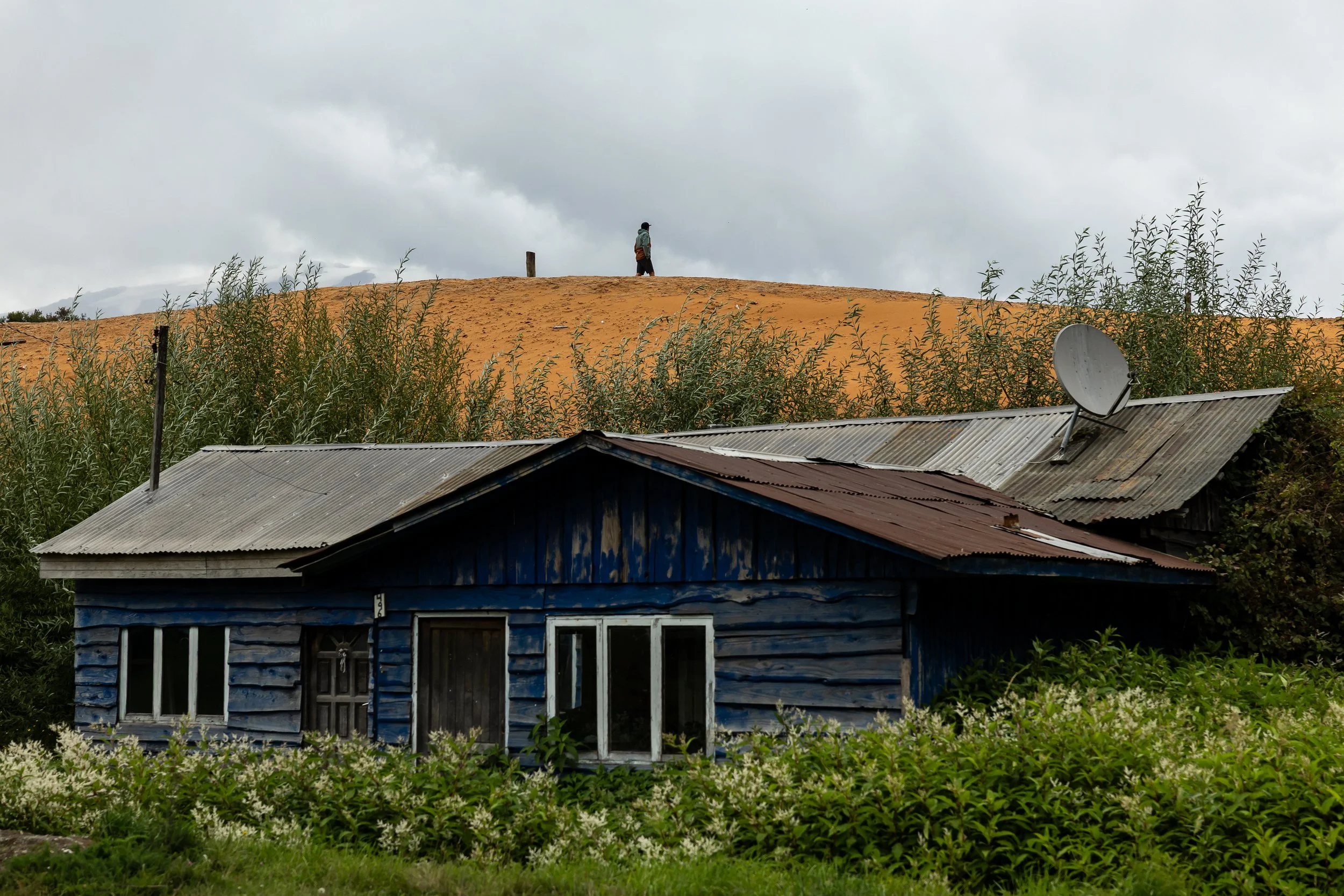
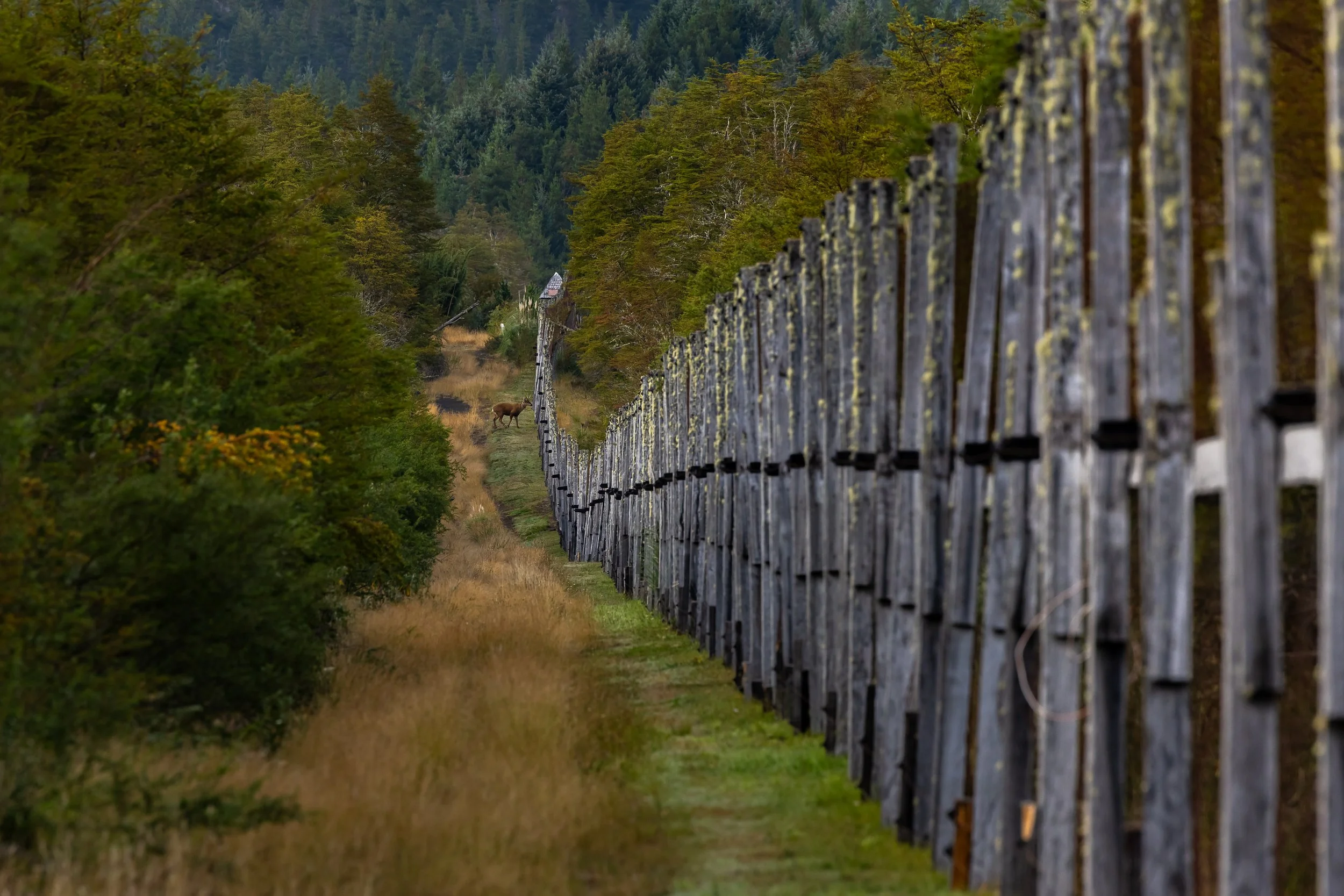
Photos by Hass Salum (L-R). Local guide Pancho Duarth stands ontop of a giant hill of sawdust that overlooks the old saw mills in his hometown of Neptune. Thunder, a true success story of rewinding the huemuls, comes back for a visit to the Huilo Huilo Biological Reserve.
THE TURNING POINT: A VISION FOR CONSERVATION
Out of this crisis came a remarkable transformation. The people of Neltume began to recognize that their future depended not on cutting down the forest, but on protecting it. With the creation of the Huilo Huilo Biological Reserve in the early 2000s—established on former forestry lands—the region transitioned from logging to conservation and sustainable tourism. Residents adapted, developing small tourism ventures, guiding visitors, and engaging in environmental education.
“These forests looked very beautiful with many trees, but the highest quality wood had already disappeared over the last 80 years. We couldn’t continue to exploit the forest,” said Victor Petermann, Founder of Huilo Huilo Biological Reserve. “So everyone in the community had made the shift from logging to tourism and, as a result, we have conservation”.
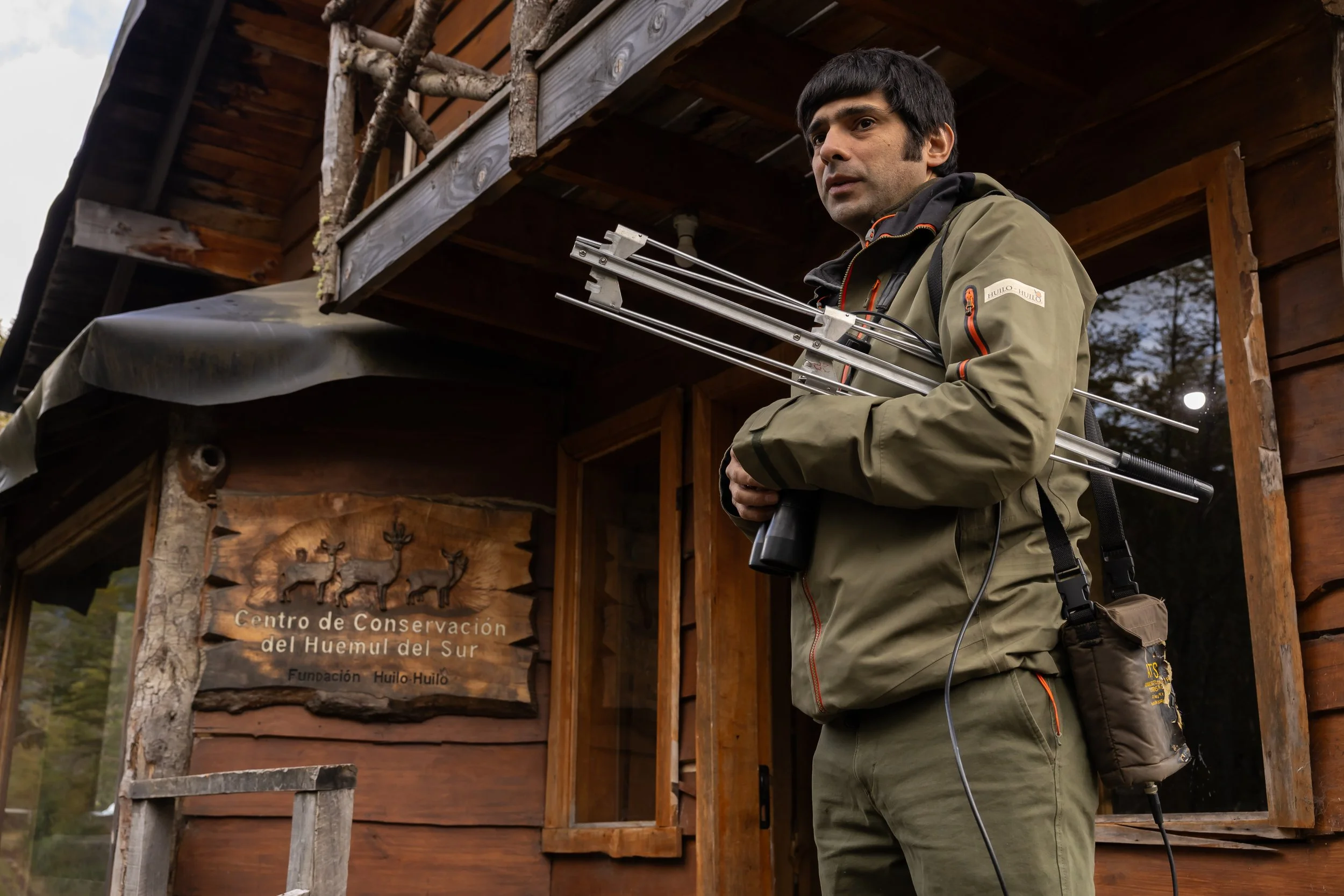
“It’s something really special, It shows the world that the future reintroduction of the huemul into the wild is possible and gives us tremendous hope”.
-Eduardo Arias, Conservation Director at Huilo Huilo Biological Reserve
Photo by Hass Salum
In 2005, the Huilo Huilo Foundation created the Southern Huemul Conservation Center to preserve the species in the Los Ríos region. Since then, the foundation has led vital conservation efforts to protect the endangered huemul deer, Chile’s national symbol and one of the rarest species in South America. Through the center, the foundation focuses on habitat restoration, research, breeding, and environmental education aimed at reintroducing the species into its native Andean forests. The project has achieved great success with Thunder, the first male born in semi-captivity who was released in 2016 and has survived in the wild ever since. “His son also recently made his first transnational crossing into Argentina, which has been deemed a significant success for the future reintroduction of the species into the wild,” says Eduardo Arias, Conservation Director of the center. “It is something really special”.
These efforts not only support the recovery of the huemul population but also foster local pride and awareness of the importance of preserving Chile’s unique biodiversity.
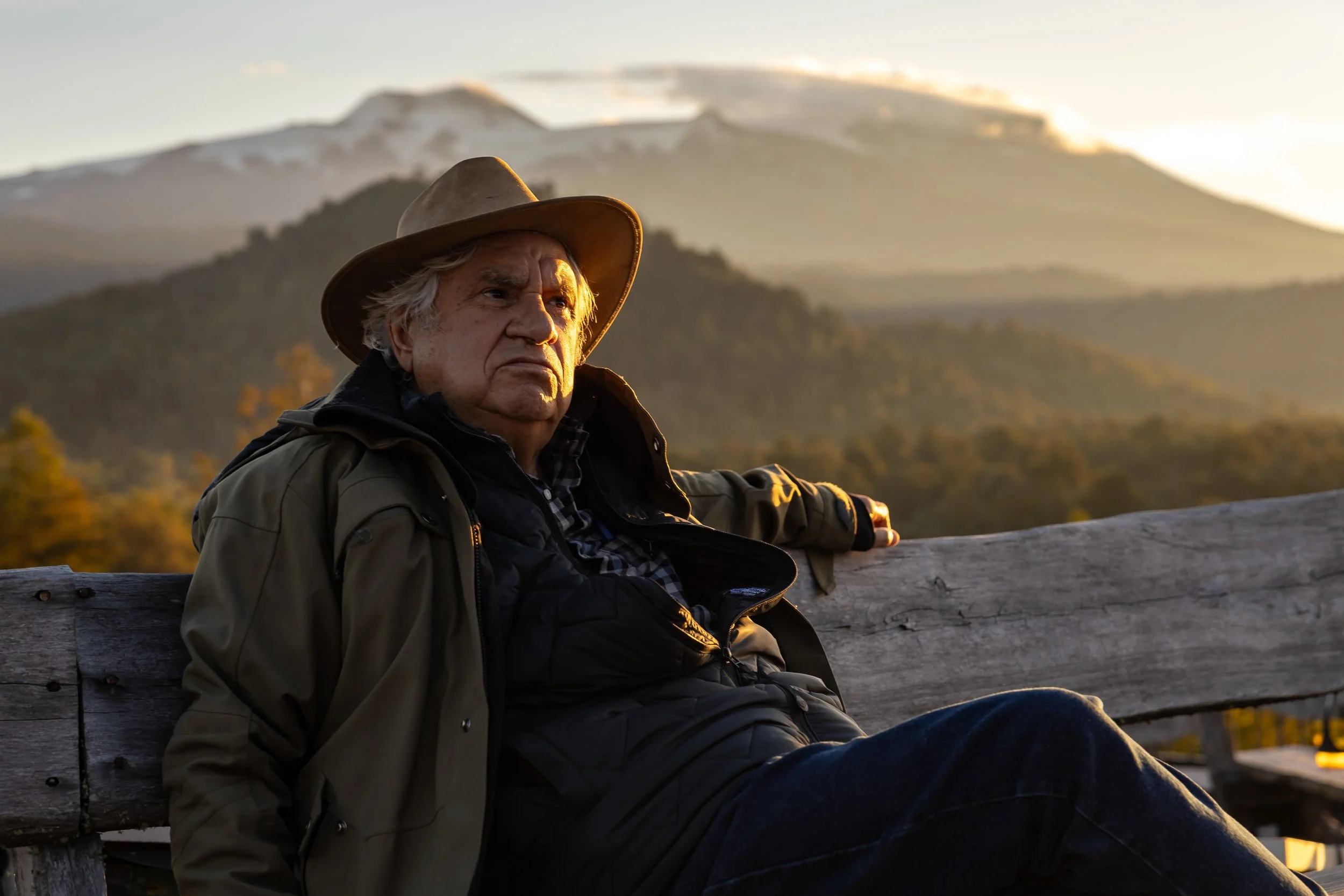
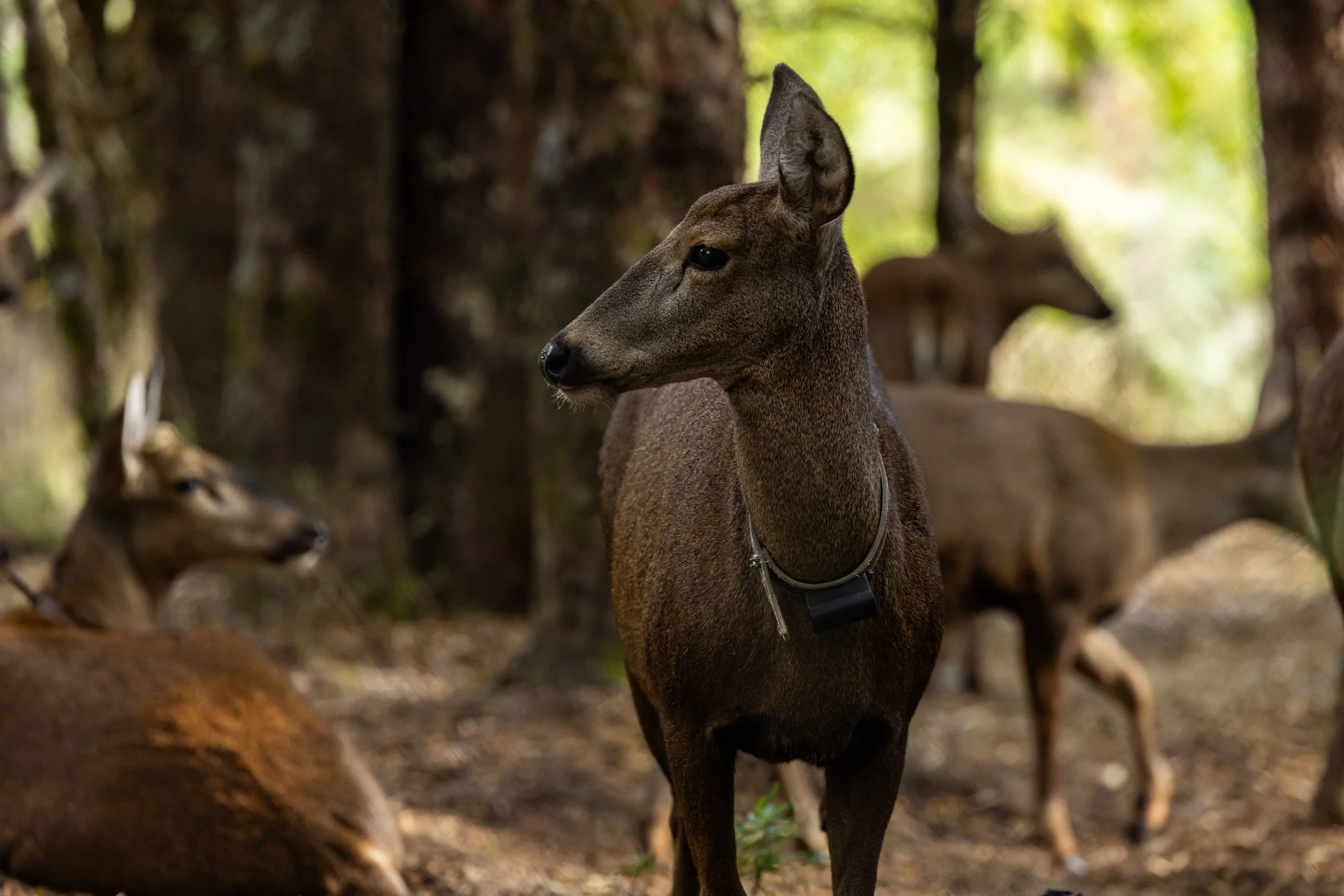
Left: Victor Petermann, Founder of Huilo Huilo Biological Reserve. Right: Huemul deer at the Southern Huemul Conservation Center. Photos by Hass Salum
A POWERFUL MODEL OF CONSERVATION AND SUSTAINABLE TOURISM
Today, the Huilo Huilo Biological Reserve and surrounding communities stand as a thriving example of community-led conservation and sustainable tourism. Since its designation as a UNESCO Biosphere Reserve in 2007, it has become a model for regeneration, where former logging towns like Neltume have transformed into vibrant ecotourism destinations.
Visitors now come for wildlife watching, hiking, soaking in the hot springs, and cultural encounters, guided and hosted by residents who share their Mapuche heritage and deep connection to the land. Eco-lodges, forest trails, and conservation centers have replaced sawmills, creating employment, training, and pride within the community. As local entrepreneur Isabel Naguil, owner of Foye Mapu, explains, “All tourism, in its essence, must be connected with nature and with culture. What the Mapuche can teach guests is to value nature, care for Nuke Mapu—our Mother Earth—and understand that ecosystems must always remain in the hands of those who wish to protect them”.