
The Dilemma of Exploring Destinations: Struggling With Tourism and How to Visit Ethically
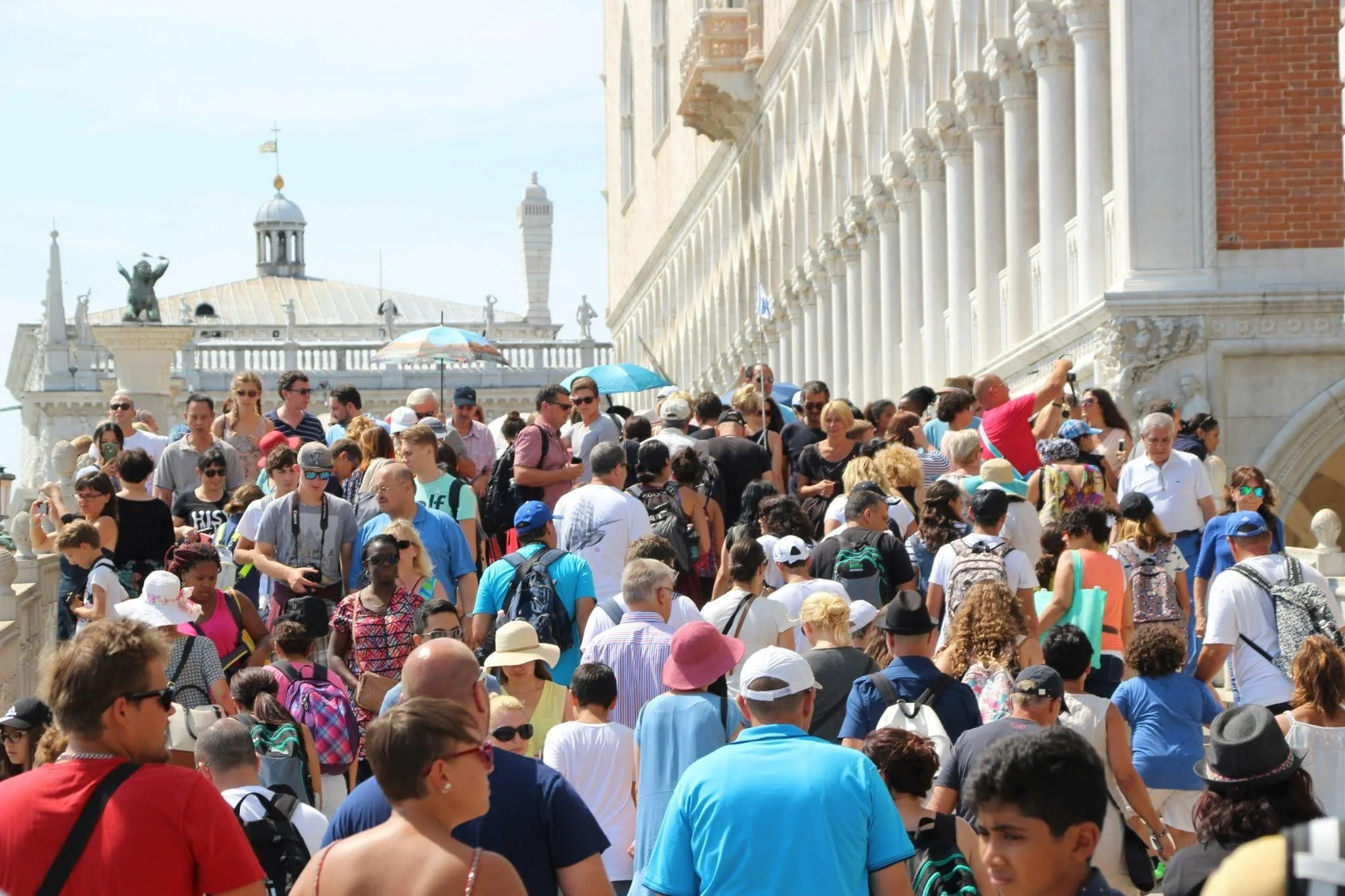
The whole sky appeared to move on the horizon far above the old Venetian buildings.
From my 3rd-floor window in an old palazzo, the cruise ship dwarfed the city below, its canals, schools, and streets cast into shadow as it pulled into Venice’s harbor. At the time, my 7-year-old self saw it as a fun optical illusion. But in retrospect, I was witnessing Venice’s transformation from a living city into a tourist attraction that was only beginning to take shape.
Fewer than 50,000 people live in Venice today, while the city receives on average 36,000 visitors daily. As more residential buildings turn into Airbnbs and rent costs rise, residents are forced to move to the mainland, turning Venice from a living cultural town into a “Disneyland” for tourists.
While living there, I remember friends moving to the mainland town of Mestre, unable to afford rising housing costs as foreign investors bought up apartments.
Advocates fear Venice’s unique cultural traditions will be lost as younger generations don’t take up traditional trades such as wooden boat-making, mask-making, and Murano glass-blowing. With fewer residents, businesses that don’t rely on tourism, such as grocery and hardware stores, are disappearing.
Venice tried to curb crowds with a $5 tourist fee in the summer of 2025, but many were skeptical of its success. While other nations have succeeded in implementing fees (Bhutan's “high value, low impact” policy, for example), Venice’s popularity will require a larger sum or stricter regulations to control the flow.
But Venice isn’t the only destination whose culture has been altered by the influx of mass tourism. As a world traveler concerned about how my actions could harm destinations, I often ask myself: Should I keep visiting places struggling with tourism? Is there a way to explore without causing more harm?
There is no simple yes-or-no answer, as the tourism industry can have both negative and positive impacts. On one side, it creates jobs, preserves heritage sites, and boosts the economy, while on the other, it pushes out residents, strains natural resources, and commodifies cultural traditions. Travelers who stay home can cost residents their income, as the COVID-19 pandemic showed, yet visiting can put more pressure on communities and environments already under strain.
Below are three destinations at a tipping point, each struggling in its own way to balance visitors with the needs of residents, the environment, and wildlife. For travelers asking whether and how they should continue to travel, these case studies offer a means to weigh both sides and discover pathways to ethical practices.
Vinicunca Rainbow Mountain
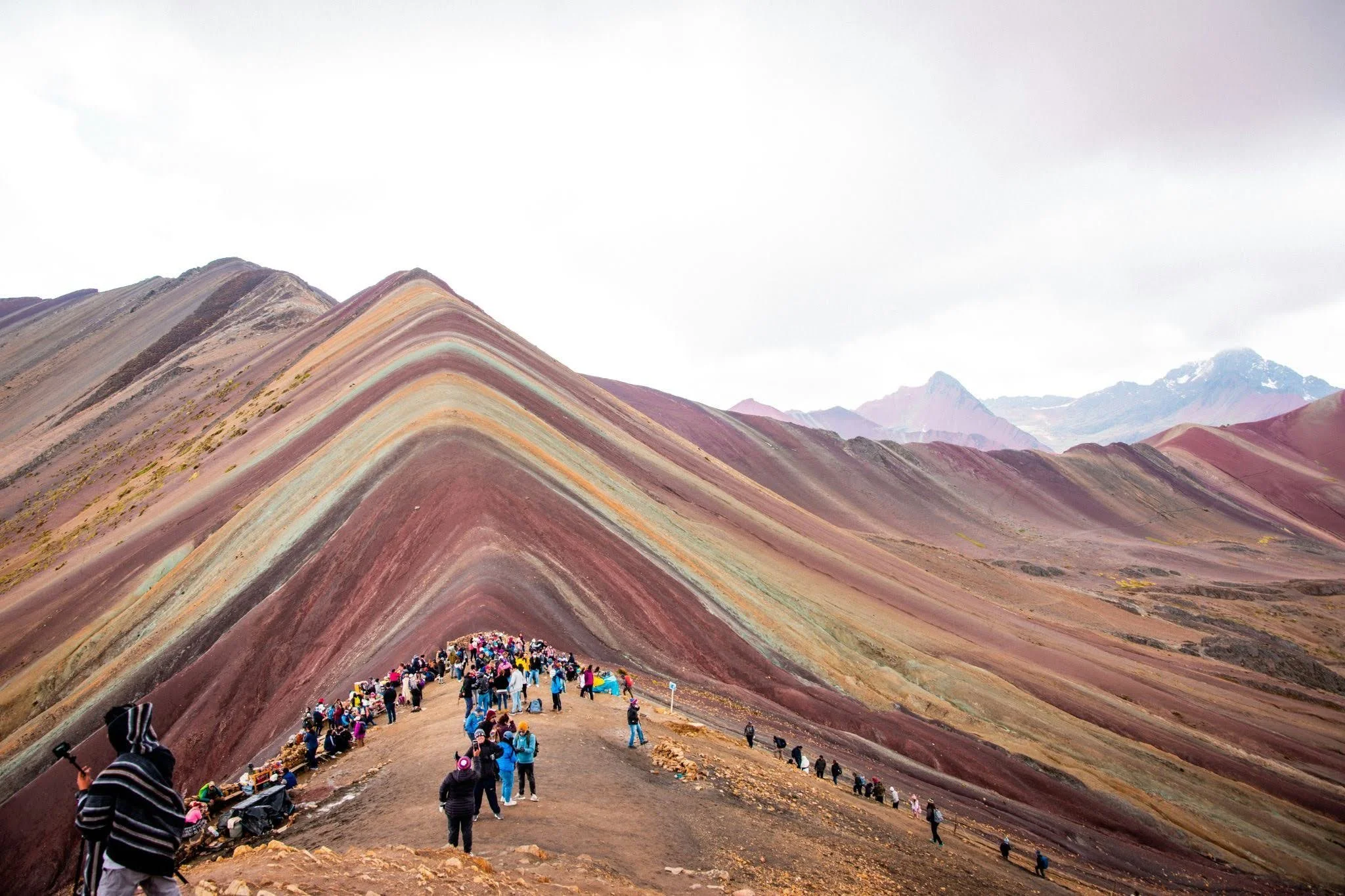
Vinicunca, or Rainbow Mountain, in the Peruvian Andes was rarely visited until social media thrust it into the spotlight. Today, 1,000 to 2,000 visitors trek daily at an altitude of 17,000 feet to see its colorful, alien-like strips of red, green, and yellow.
Few tourists know that the surge in visits has strained the Indigenous communities who porter visitors by horse and live off ticket sales. With an average of 9 million soles ($2.5 million USD) suddenly pouring into rural communities, disputes began to erupt over fund allocations, culminating in the murder of Flavio Illantico, one of the site's main advocates. The killing showed how, without proper regulation and oversight, tourism can be detrimental to communities even as it lifts them out of generational poverty.
Despite its altitude, thousands of visitors still come, often unprepared. To date, three tourists have died from altitude sickness. Travelers can visit ethically and safely by acclimating in Cusco first and booking with a locally run, sustainable operator like Kallpa Travel and AB Expeditions. Otherwise, they can stay in mountain lodges in villages closer to Vinicunca to acclimate, support local families, and enjoy the striking scenery. To support other Indigenous working families, they can visit Palccoyo, a landscape of jagged peaks and colorful stripes similar to Vinicunca without large crowds.
Antarctica
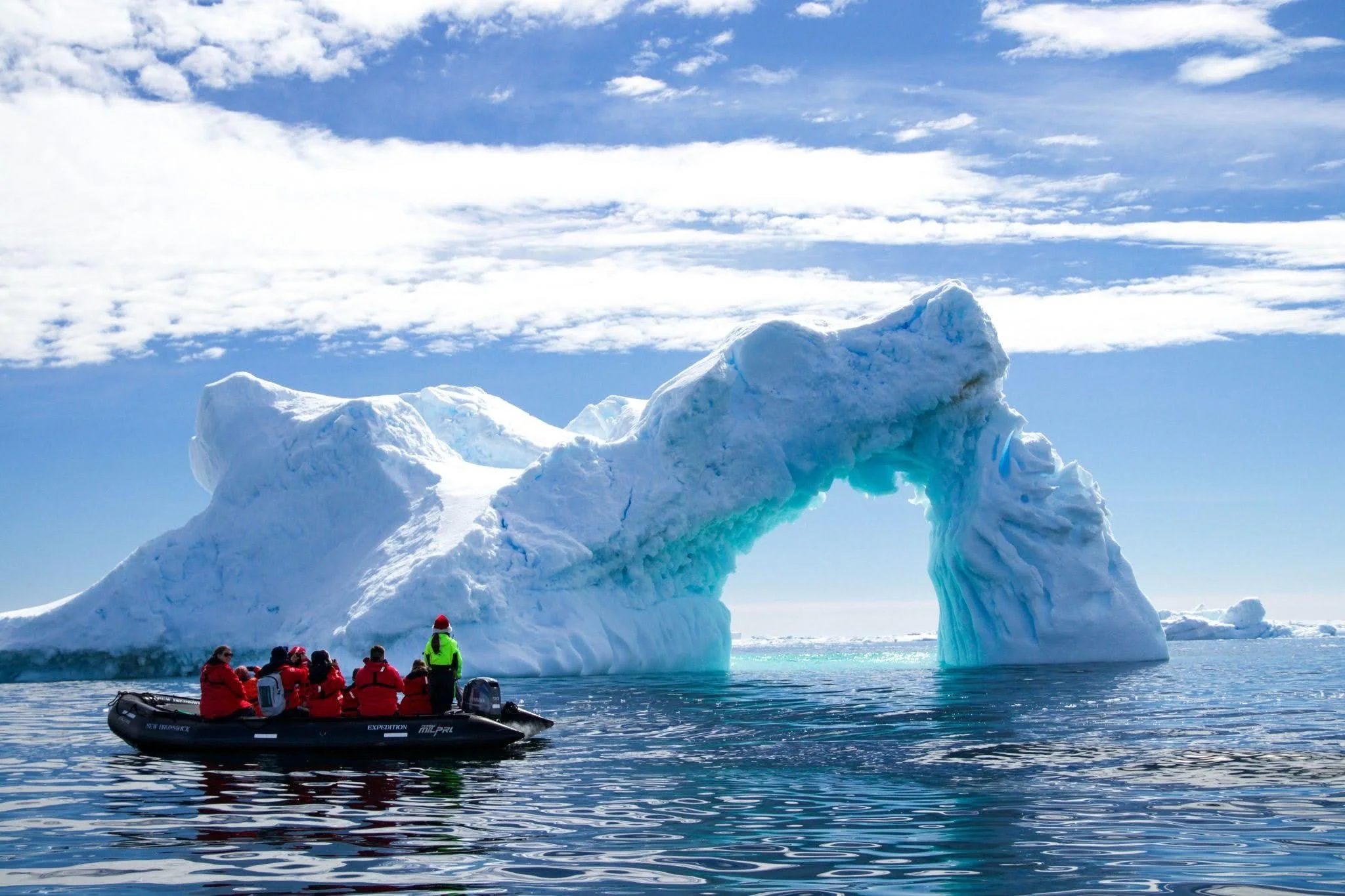
Experiencing the White Continent’s otherworldly glaciers, wildlife, and landscapes is on most travelers’ bucket lists. But because Antarctica has no single government, protecting its fragile ecosystems from rising tourism has depended on international cooperation and the practices of individual tour companies.
Unlike cities where locals advocate for their homes, Antarctica’s voice comes from scientists and conservation groups, who warn about the increased pollution ships are leaving behind. Some expedition guides have already left their jobs, saying that they could no longer tell visitors about climate change while working in an industry that adds to it.
With rising global temperatures already melting the ice rapidly, cruise ships and airplanes leave soot that can accelerate the melt. More people walking on the ice can also increase disease outbreaks in ecosystems isolated from the rest of the world.
Travelers can visit Antarctica ethically by cruising with sustainable vessels designed for the region rather than large cruise companies. By following correct procedures on the ice, such as practicing a no-waste policy and proper disinfection, they can ensure that nothing is left behind. They can also choose operators with citizen science programs that let travelers contribute to polar research during their voyages and help protect natural habitats.
Bali, Indonesia
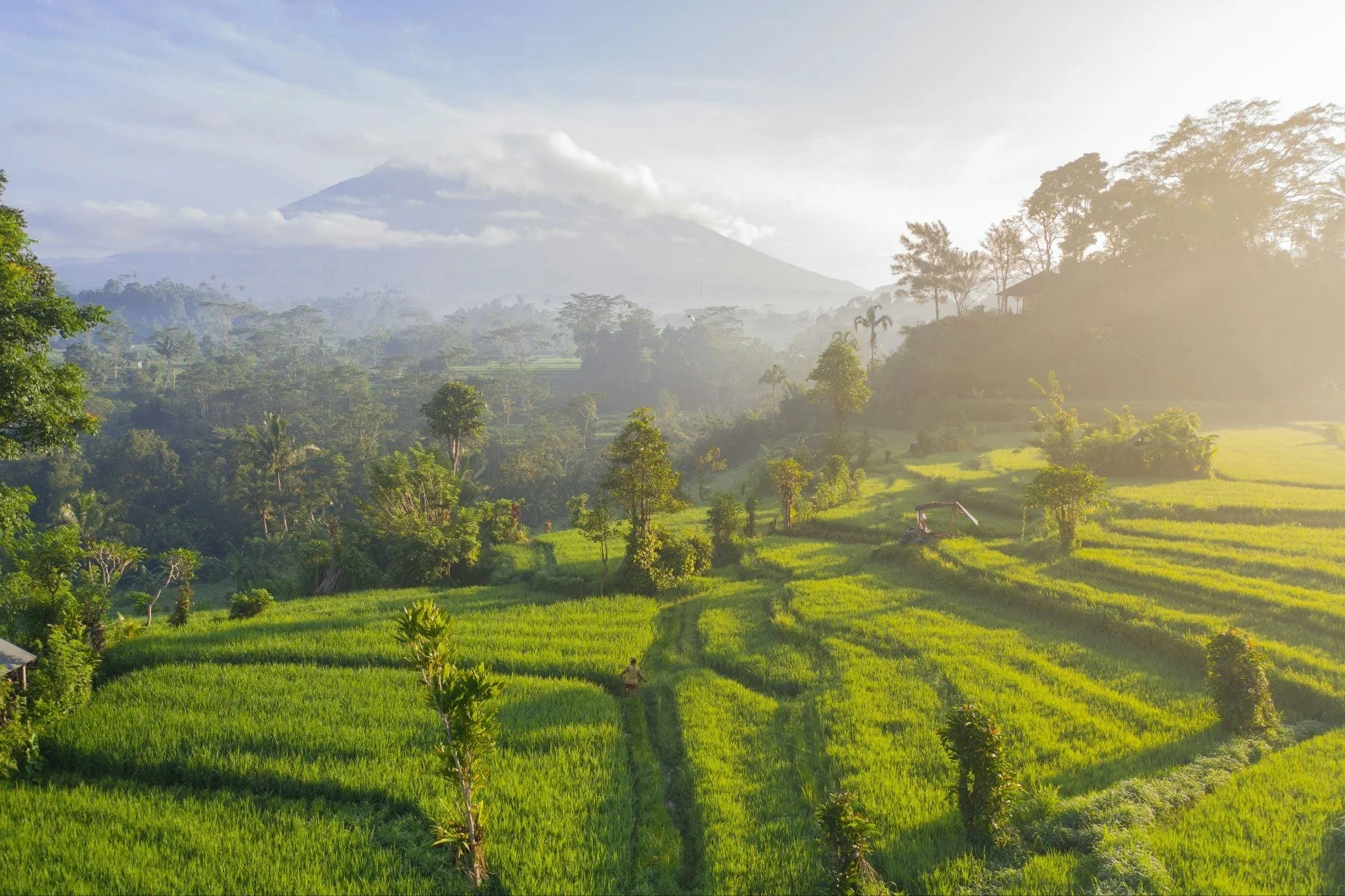
Bali, with its distinctive Hindu practices, endless beaches, and dramatic volcanic landscapes, has become a leading example of the struggle to balance tourism and local well-being. Water scarcity and waste overload have left much of the island’s landscape riddled with landfills, and locals face shortages as 60% of water is diverted to tourist villas and hotels.
While the government has introduced a tourist fee and halted digital nomad work without proper visas, the island is still buckling under the pressure.
Short-stay travelers who skip locally-owned hotels or homestays often send profits to foreign-owned companies, as many villas and Airbnbs are not Balinese-owned. Booking villas in the rice fields, while they are tranquil and remote, contributes to the loss of locally owned rice fields, which are purchased en masse for large-scale Airbnb villas.
Long-term digital nomads, who see Bali as a remote-work paradise, have created a foreigner “subculture” that has often excluded Indonesians, such as the foreign-managed run club scandal that led to the ban of two Dutch nationals.
Visitors who want to visit ethically can stay at local homestays or Balinese-owned hotels instead of Airbnbs, hire Balinese tour companies, and eat at local restaurants. Lombok, a short flight or ferry ride from Bali, is a great alternative, with equally beautiful beaches and a relaxed environment. For a cultural experience, Java is home to the Borobudur and Prambanan temples.
So, should travelers still go?
Ultimately, it comes down to the choice of each individual. After traveling to 129 countries, I have discovered that ethical travel is composed of many small conscious choices, from where money is spent to how travelers can question their own decisions. With a willingness to learn and an open mind, they can make choices that prioritize the well-being of local communities and protect natural habitats.
As many countries seek to rapidly implement new laws and regulations to halt mass tourism and find a sustainable path forward, travelers can take small actions that have a large impact as the industry evolves.
About the Author
Kaitlin Murray is a travel journalist based in Mexico City who writes about ethical travel, cultural heritage, and global social issues. She grew up worldschooling, traveling to 129 countries and founding multiple NGOs focused on human rights advocacy and global citizenship. She is a four-time published author, and her work has appeared in Catalyst Planet, Chicken Soup for the Soul, and She’s Wanderful.
Instagram: @travelinkait.journeys